
!-- HERO SECTION -->

Robotic Cancer Surgery

Advanced Minimally Invasive Cancer Treatment by Dr. Lovedeep Singh Chauhan

Dr. Lovedeep Singh Chauhan

Dr. Lovedeep Singh Chauhan – Consultant Surgical Oncologist

Robotic cancer surgery represents one of the most significant technological advancements in modern oncological care. Over the past two decades, surgical oncology has evolved from large open incisions to laparoscopic techniques, and now to highly precise robotic-assisted procedures that offer improved visualization, dexterity, and control.

At Max Super Speciality Hospital, Mohali, robotic-assisted cancer surgery is performed with strict adherence to oncological principles, prioritizing complete tumor removal while minimizing trauma to surrounding healthy tissues. Under the expertise of Dr. Lovedeep Singh Chauhan, Consultant Surgical Oncologist, patients receive evidence-based, individualized treatment designed to optimize both survival outcomes and quality of life.
What Is Robotic Cancer Surgery?

Robotic surgery is a surgeon-controlled, minimally invasive surgical technique that uses an advanced robotic platform to assist in complex procedures. Contrary to common misconceptions, the robot does not perform surgery independently. The operating surgeon sits at a console and controls every movement of the robotic instruments with extreme precision.

The system translates the surgeon’s hand movements into smaller, more refined motions inside the patient’s body. It also provides a high-definition, three-dimensional magnified view of the surgical field, allowing meticulous dissection and preservation of critical structures.

In cancer surgery, this level of precision is particularly important because tumors often lie close to vital nerves, blood vessels, and organs.

Evolution of Cancer Surgery: Open to Robotic

1. Open Surgery

Traditional open surgery involves a large incision to access the tumor. While effective and still necessary in certain cases, it may result in:

  • Greater blood loss
  • Increased postoperative pain
  • Longer hospital stay
  • Delayed recovery

2. Laparoscopic Surgery

Laparoscopic surgery introduced smaller incisions and faster recovery. However, it has limitations such as:

  • Two-dimensional view
  • Restricted instrument movement
  • Technical challenges in confined spaces

3. Robotic-Assisted Surgery

Robotic platforms enhance laparoscopic techniques by providing:

  • 3D magnified vision
  • Wristed instruments with superior articulation
  • Tremor filtration
  • Enhanced surgeon ergonomics
  • Greater precision in narrow anatomical areas

This technological progression has significantly improved surgical accuracy, especially in complex oncological procedures.

How Robotic Surgery Works

Breast Cancer Symptoms

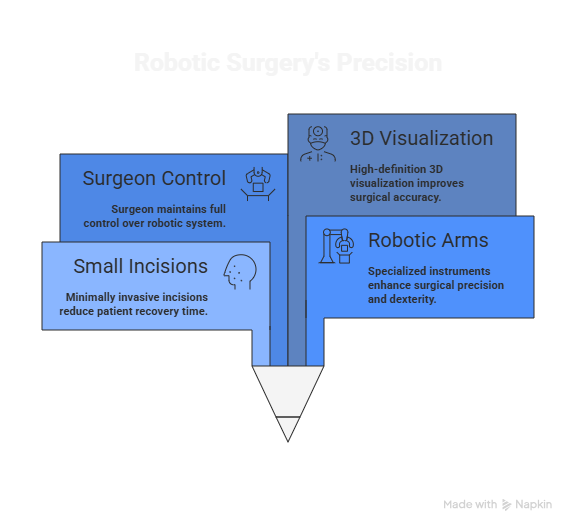
Robotic surgery typically involves:

  • Small keyhole incisions
  • Placement of robotic arms holding specialized instruments
  • Surgeon control from a console
  • High-definition 3D visualization
  • Precision tumor removal

The robotic system does not make decisions or act independently. The surgeon maintains complete control throughout the procedure.

Benefits of Robotic Cancer Surgery

1. Smaller Incisions
Reduced scarring and improved cosmetic outcomes.
2. Less Blood Loss
Precise dissection reduces intraoperative bleeding.
3. Reduced Postoperative Pain
Minimal tissue trauma leads to improved comfort.
4. Lower Risk of Infection
Smaller incisions decrease infection risk.
5. Faster Recovery
Many patients resume normal activities earlier.
6. Shorter Hospital Stay
Hospitalization is often reduced compared to open surgery.
7. Better Functional Outcomes
In procedures like prostate or rectal cancer surgery, robotic precision may help preserve urinary and sexual function.

It is important to note that outcomes depend on cancer type, stage, and overall patient health.

Cancers Commonly Treated with Robotic Surgery

Colorectal Cancer

Robotic surgery is particularly beneficial in rectal cancer, where the pelvis is a narrow space. Enhanced visualization allows precise tumor removal while preserving nerves.

Prostate Cancer

Robotic-assisted radical prostatectomy has become widely adopted globally. It allows nerve-sparing techniques that may help maintain urinary control and sexual function.

Kidney Cancer

Partial nephrectomy using robotic assistance enables precise tumor removal while preserving healthy kidney tissue.

Gynecological Cancers

Selected cases of uterine and ovarian cancers may benefit from robotic staging and tumor removal.

Esophageal and Thoracic Tumors

Robotic technology can assist in minimally invasive thoracic procedures in selected cases.

Each case is evaluated individually to determine suitability.

Who Is a Suitable Candidate for Robotic Surgery?

Not every patient requires robotic surgery

Eligibility Criteria

  • Cancer stage
  • Tumor size and location
  • Previous abdominal surgeries
  • Overall fitness for anesthesia
  • Imaging findings

Early and moderately advanced cancers are often ideal candidates. However, complex cases may also benefit from robotic precision, depending on tumor characteristics. A multidisciplinary tumor board discussion ensures optimal treatment planning.

Robotic Surgery Candidate Evaluation

What to Expect: Patient Journey

Preoperative Phase

  • Detailed consultation
  • Physical examination
  • Imaging (CT, MRI, PET-CT if required)
  • Blood investigations
  • Anesthesia clearance

During Surgery

  • General anesthesia
  • Small incisions
  • Robotic docking
  • Precise tumor resection

Postoperative Recovery

  • Early mobilization
  • Pain management
  • Gradual oral intake
  • Discharge in a few days (depending on procedure)
  • Regular follow-up visits

Safety and Risks of Robotic Surgery

Safety

Robotic surgery follows the same oncological safety standards as open surgery. Patient safety remains the highest priority.

Potential Risks

  • Bleeding
  • Infection
  • Anesthesia-related risks
  • Organ injury (procedure-specific)
  • Rare need to convert to open surgery

Common Myths About Robotic Surgery

Myth 1: The Robot Operates on Its Own

Fact: The surgeon is in complete control.

Myth 2: It Is Experimental

Fact: Robotic surgery is widely practiced globally with established outcomes.

Myth 3: It Guarantees Zero Complications

Fact: All surgeries carry risks, though minimally invasive approaches may reduce certain complications.

Oncological Principles Remain Paramount

Complete tumor removal (R0 resection)
Adequate lymph node clearance
Preservation of healthy tissue
Integration with chemotherapy or radiation when needed

Technology is a tool. Surgical expertise and evidence-based planning are what truly influence long-term survival.

Robotic Surgery at Max Super Speciality Hospital, Mohali

Robotic Surgery Facility

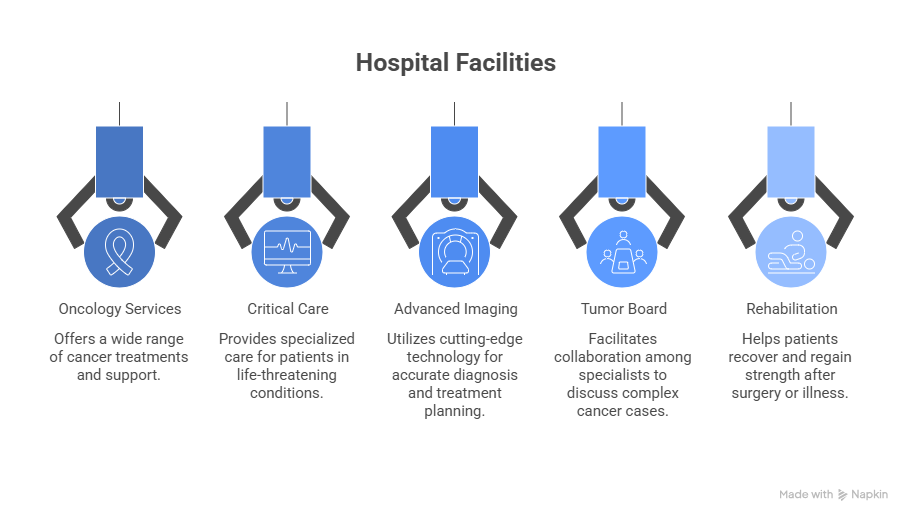
Max Super Speciality Hospital, Mohali is equipped with advanced robotic surgical infrastructure and modern modular operation theatres. The hospital offers:

Hospital Facilities

  • Comprehensive oncology services
  • Critical care support
  • Advanced imaging
  • Multidisciplinary tumor board discussions
  • Postoperative rehabilitation
Patients receive coordinated cancer care under one roof.

About Dr. Lovedeep Singh Chauhan

Dr. Lovedeep Singh Chauhan is a Consultant Surgical Oncologist with specialized training in minimally invasive and robotic cancer surgery. He completed his MCh in Surgical Oncology from Tata Memorial Hospital, Mumbai, and has extensive experience managing complex gastrointestinal, colorectal, breast, gynecological, and urological cancers.

His approach emphasizes:

  • Evidence-based treatment planning
  • Ethical, patient-centered care
  • Precision-driven surgery
  • Multidisciplinary coordination
  • Long-term follow-up

Each patient receives an individualized treatment strategy tailored to tumor biology and overall health status.

Dr. Lovedeep Singh Chauhan

When Should You Consider a Robotic Surgery Consultation?

You may consider a robotic surgery evaluation if:

  • You have been diagnosed with colorectal, prostate, kidney, or gynecological cancer
  • You are seeking minimally invasive options
  • You want to understand all available surgical approaches
  • You prefer precision-based treatment planning

Book a Consultation

If you or your loved one has been advised cancer surgery and would like to explore robotic-assisted options, schedule a consultation at:

Max Super Speciality Hospital, Mohali

A detailed clinical evaluation will help determine the most appropriate and safe treatment approach tailored to your condition.

Robotic cancer surgery combines technology with surgical expertise to enhance precision, minimize trauma, and support faster recovery. However, successful cancer treatment always depends on comprehensive evaluation, accurate staging, multidisciplinary planning, and experienced surgical execution.

For personalized guidance, consultation and evidence-based cancer care, robotic surgery may be an important part of your treatment journey.

Have a Question? Get In Touch

whatsapp-mobi
h-call
  • Book An Appointment