




Paget’s Disease of the Breast is a rare but important form of breast cancer that primarily affects the nipple and areola. Because it often resembles common skin conditions such as eczema or dermatitis, it may go unnoticed or misdiagnosed in the early stages. However, in the majority of cases, Paget’s disease is associated with an underlying breast carcinoma — either Ductal Carcinoma In Situ (DCIS) or invasive breast cancer.
Early identification and timely management are crucial for achieving excellent outcomes. With modern imaging, precise biopsy techniques, advanced surgical approaches, and multidisciplinary cancer care, patients today have access to highly effective and personalized treatment options.
Dr. Lovedeep Singh Chauhan , Consultant Surgical Oncologist in punjab at Max Super Speciality Hospital, offers comprehensive and evidence-based management of Paget’s Disease of the Breast, focusing on oncological safety, cosmetic preservation when feasible, and long-term survivorship care.
Understanding Paget’s Disease of the Breast
Paget’s Disease of the Breast is characterized by the presence of malignant cells, known as Paget cells, in the epidermis of the nipple. These cancer cells usually originate from an underlying tumor within the breast ducts and migrate through the milk ducts to the nipple surface.
Although it accounts for only 1–4% of all breast cancers, its clinical significance is high because it frequently signals the presence of deeper malignancy.
Patients typically present with:
- Persistent redness of the nipple
- Flaking or crusting skin
- Itching, burning, or tingling sensation
- Nipple discharge (sometimes blood-stained)
- Nipple flattening or inversion
- Occasional palpable lump in the breast
Unlike simple eczema, Paget’s disease usually affects only one breast and does not respond to topical creams. This persistence is often the first warning sign.
Why Early Diagnosis Matters
One of the major challenges in Paget’s disease is delayed diagnosis. Many patients initially consult for dermatological treatment, and temporary symptom relief may occur, leading to further delay. However, the presence of an underlying carcinoma significantly influences treatment planning and prognosis.
Early detection allows:
- Breast-conserving surgical options in selected cases
- Limited lymph node surgery when appropriate
- Avoidance of overtreatment
- Improved cosmetic outcomes
- Better long-term survival
When invasive cancer is absent or detected at an early stage, the prognosis is generally excellent.
Causes and Risk Factors
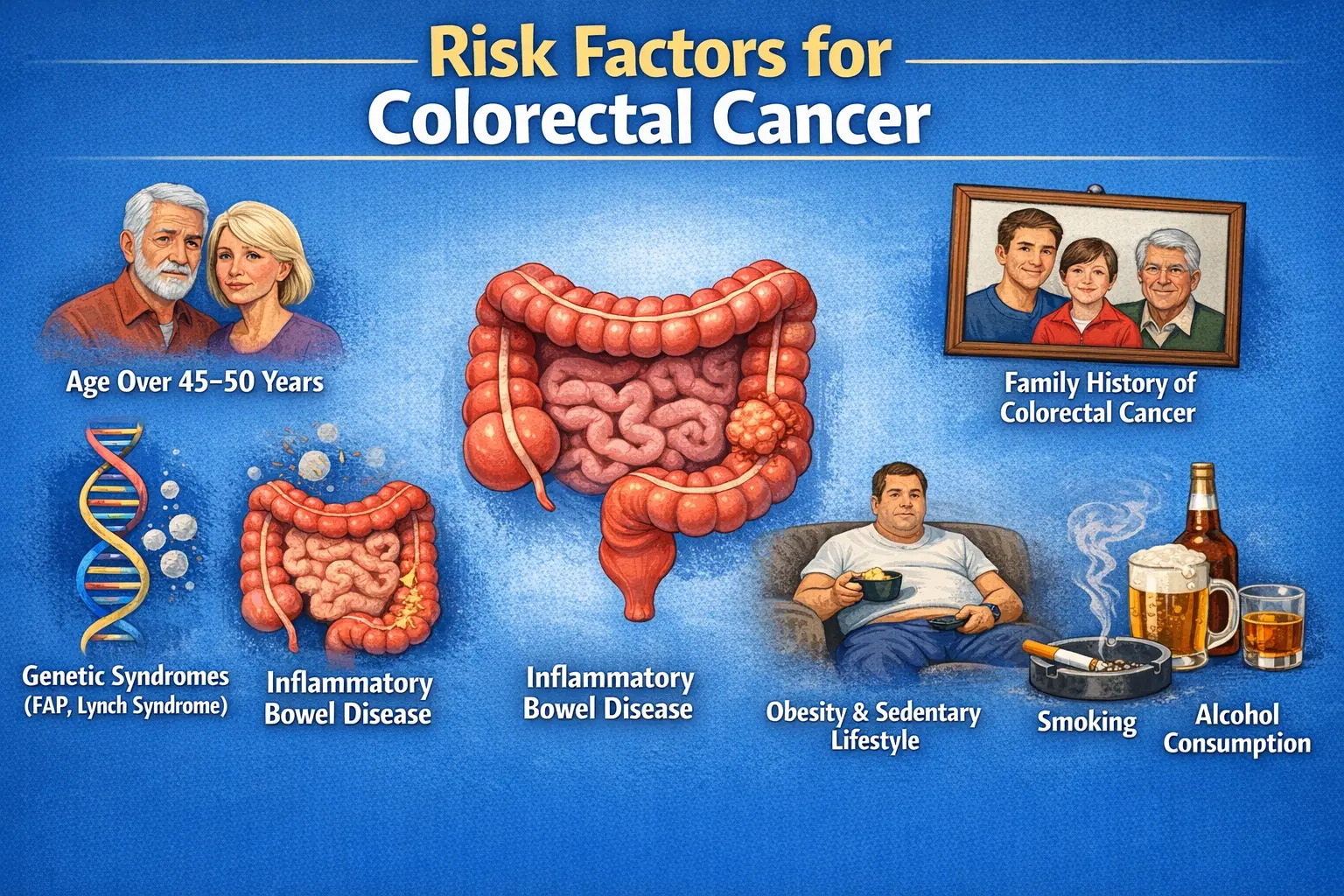
While the exact mechanism continues to be studied, Paget’s disease is most commonly associated with malignant transformation within the milk ducts. Risk factors overlap with those for general breast cancer, including:
- Increasing age
- Family history of breast cancer
- Genetic predisposition (such as BRCA mutations)
- Prior history of breast lesions
- Hormonal influences
- Obesity and sedentary lifestyle
However, it is important to note that many patients have no obvious risk factors. Any persistent unilateral nipple abnormality should therefore be evaluated by a breast specialist.
Symptoms of Triple-Negative Breast Cancer
Clinically, TNBC presents similarly to other breast cancers. However, due to its faster growth rate, the lump may increase in size quickly.
Common symptoms include:
- A painless, firm breast lump
- Rapidly enlarging mass
- Breast swelling or thickening
- Skin changes such as redness or dimpling
- Nipple inversion or discharge
- Enlarged lymph nodes in the armpit
Any persistent breast lump or abnormal change should be evaluated without delay.
Treatment Options for Paget’s Disease of the Breast
Treatment depends on whether there is underlying invasive cancer and the extent of disease.
Breast-Conserving Surgery
In selected patients where disease is localized, removal of the nipple-areola complex along with the underlying tumor can be performed. This is followed by radiation therapy to reduce recurrence risk.
Breast conservation is considered when:
- Tumor is small
- Disease is localized
- Clear margins can be achieved
- Patient prefers breast preservation
Mastectomy
When disease is extensive, multicentric, or associated with widespread ductal carcinoma, mastectomy may be recommended. Modern techniques focus on preserving skin and facilitating reconstruction whenever possible.
Sentinel Lymph Node Biopsy
This procedure identifies whether cancer has spread to regional lymph nodes. If sentinel nodes are negative, extensive node removal can often be avoided, reducing complications such as lymphedema.
Breast Reconstruction
Reconstruction may be performed immediately during the same surgery or delayed until after completion of other treatments. Options include implant-based reconstruction or autologous tissue reconstruction, depending on patient suitability and preference.
Adjuvant Therapy
Based on tumor biology, additional treatments may include:
- Radiation therapy
- Chemotherapy
- Hormonal therapy
- HER2-targeted therapy
The choice is individualized to maximize survival and minimize unnecessary treatment.
Prognosis and Long-Term Outcomes
Prognosis
The overall outlook for Paget’s disease depends largely on the presence and stage of underlying cancer.
- When no invasive carcinoma is present, prognosis is highly favorable.
- Early-stage invasive cancer also carries good survival rates with appropriate treatment.
- Lymph node involvement influences staging and long-term outcomes.
Follow-Up Considerations
Regular follow-up is essential for:
- Monitoring recurrence
- Managing side effects
- Screening the opposite breast
- Psychological and survivorship support
With structured follow-up and coordinated oncology care, long-term outcomes continue to improve significantly.
Why Choose Dr. Lovedeep Singh Chauhan for Paget’s Disease Treatment
While Paget’s Disease of the Breast is rare, it requires highly specialized evaluation and surgical expertise.
Expertise & Approach
Dr. Lovedeep Singh Chauhan is a Consultant Surgical Oncologist with advanced training in breast cancer surgery, oncoplastic techniques, and minimally invasive oncologic procedures. His approach emphasizes oncological safety, cosmetic preservation when feasible, and comprehensive patient counseling.
Patient Benefits at Max Super Speciality Hospital
- Advanced imaging and diagnostic facilities
- Multidisciplinary tumor board discussions
- Evidence-based chemotherapy and radiation therapy
- Reconstructive surgery planning
- Structured follow-up and survivorship programs
Personalized Care
Every treatment plan is personalized. Patients receive detailed explanations of diagnosis, staging, treatment options, expected outcomes, and potential side effects. This transparent communication allows informed decision-making and reduces anxiety during treatment.
Patient-Centered Breast Cancer Care
Breast cancer diagnosis can be emotionally overwhelming. Beyond surgery and medication, patients require empathy, clarity, and structured support.
Thorough counseling before surgery
Discussion of cosmetic outcomes
Genetic counseling when indicated
Nutritional and rehabilitation guidance
Long-term survivorship planning
The goal is not only to treat cancer but to restore quality of life.
Frequently Asked Questions
Have a Question? Get In Touch


