




Advanced Risk Assessment, Surveillance & Breast Oncology Care
Consultant Surgical Oncologist – Max Super Speciality Hospital, Mohali
Lobular Carcinoma In Situ (LCIS) is a condition that often creates confusion and anxiety because of the word “carcinoma.” However, LCIS is not invasive breast cancer. It is a risk marker indicating a higher likelihood of developing breast cancer in the future. Understanding this distinction is crucial for making informed and balanced treatment decisions.
Under the expert care of Dr. Lovedeep Singh Chauhan , Consultant Surgical Oncologist in punjab at Max Super Speciality Hospital, Mohali, patients diagnosed with LCIS receive comprehensive evaluation, personalized risk assessment, and structured long-term surveillance planning. The goal is not overtreatment, but safe, evidence-based management tailored to each individual.
Understanding Lobular Carcinoma In Situ
What is Lobular Carcinoma In Situ?
Lobular Carcinoma In Situ develops in the milk-producing glands of the breast, known as lobules. In LCIS, abnormal cells grow inside these lobules but remain confined within them. They do not invade surrounding tissues or spread to lymph nodes.
It is important to differentiate LCIS from other breast conditions such as:
- Ductal Carcinoma In Situ, which arises in the milk ducts
- Invasive Lobular Carcinoma, which spreads beyond the lobules into surrounding tissue
Unlike invasive cancer, LCIS does not form a tumor mass and typically does not appear as a lump. Most cases are discovered incidentally during biopsy performed for another reason.
Why LCIS is Considered a Risk Marker
LCIS itself does not behave like cancer. However, it indicates that the breast tissue environment has biological changes that increase the likelihood of developing invasive breast cancer later in life.
Women diagnosed with LCIS have a significantly higher lifetime risk of developing breast cancer compared to the general population. Importantly, this risk applies to both breasts, not just the one where LCIS was detected.
With proper monitoring and preventive strategies, outcomes remain excellent.
Types of LCIS
LCIS is not a single uniform entity. Pathologists classify it into different subtypes based on cellular appearance and behavior.
Classic LCIS
This is the most common form. The abnormal cells appear uniform under the microscope and remain confined within the lobules. The primary concern is long-term cancer risk rather than immediate progression.
Pleomorphic LCIS
Pleomorphic LCIS shows more atypical and aggressive cellular features. Because of its higher risk characteristics, management may sometimes involve surgical excision and closer monitoring.
Florid LCIS
This variant involves more extensive lobular involvement and may require careful pathological evaluation to ensure no associated invasive disease.
Accurate pathology interpretation is essential to guide appropriate management decisions.
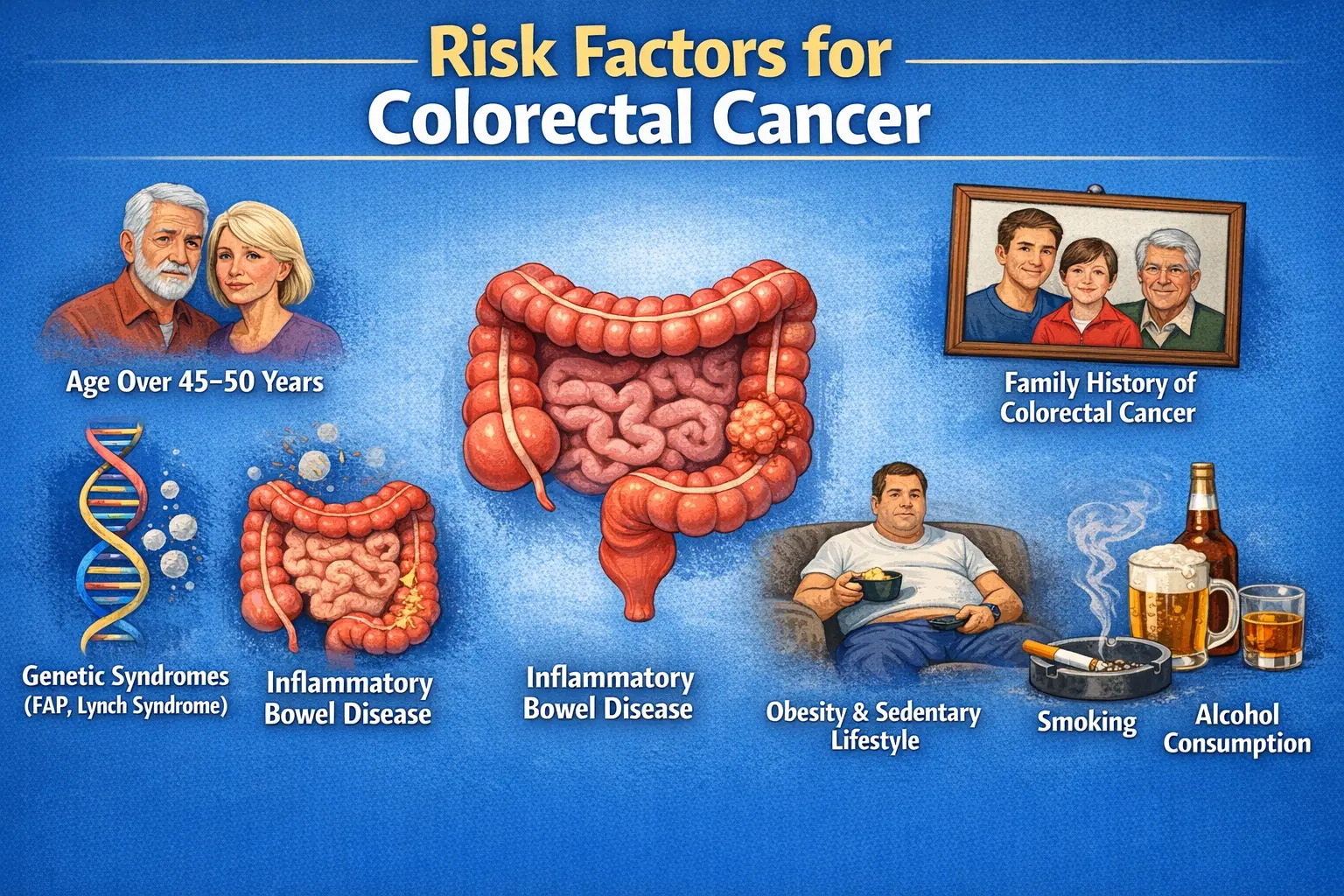
Causes and Risk Factors
The exact cause of LCIS remains unclear, but several risk factors are associated with its development.
Hormonal exposure plays a major role. Estrogen influences breast tissue growth and may contribute to abnormal cell changes within the lobules.
Common risk factors include:
- Increasing age
- Family history of breast cancer
- Genetic mutations (such as BRCA1 or BRCA2)
- Early onset of menstruation
- Late menopause
- Hormone replacement therapy
Women with a strong family history or known genetic mutation require more intensive evaluation and surveillance.
Symptoms of LCIS
One of the challenging aspects of LCIS is that it rarely produces symptoms.
Most women:
- Do not feel a lump
- Do not experience pain
- Do not have nipple discharge
- Have normal physical examination findings
LCIS is usually discovered incidentally during biopsy for suspicious calcifications or other abnormalities seen on imaging.
Because it is asymptomatic, structured follow-up becomes essential after diagnosis.
How LCIS is Diagnosed
LCIS is typically diagnosed through a biopsy procedure. Imaging studies such as mammography may show suspicious areas that require tissue sampling. However, LCIS itself often does not produce visible radiological features.
Diagnostic steps may include:
- Mammography
- Breast ultrasound
- Breast MRI (for high-risk patients)
- Core needle biopsy
- Excisional biopsy in selected cases
- Histopathological examination
Once tissue is obtained, pathologists analyze the cells under a microscope to confirm LCIS and determine its subtype.
Importance of Multidisciplinary Evaluation
After diagnosis, evaluation by a surgical oncologist is important to determine the appropriate course of action. This includes reviewing pathology slides, correlating imaging findings, and assessing individual risk factors.
A multidisciplinary approach ensures:
- Accurate diagnosis
- Avoidance of unnecessary surgery
- Identification of patients who may benefit from preventive therapy
- Long-term structured surveillance
Dr. Lovedeep Singh Chauhan follows a multidisciplinary approach focused on safe, evidence-based, and personalized patient care.
Risk Assessment After LCIS Diagnosis
Risk assessment is central to LCIS management. Each patient’s risk profile is different.
Important considerations include:
- Age at diagnosis
- Family history
- Genetic testing results
- Breast density
- Hormonal history
- Lifestyle factors
Risk prediction models may be used to estimate long-term probability of invasive breast cancer. Based on this evaluation, patients are categorized into moderate-risk or high-risk groups.
Management of Lobular Carcinoma In Situ
LCIS management focuses on monitoring and risk reduction rather than aggressive treatment.
Active Surveillance
For most patients with classic LCIS, active surveillance is the recommended strategy.
This includes:
- Clinical breast examination every 6–12 months
- Annual mammography
- MRI screening in high-risk individuals
- Breast self-awareness
Active surveillance allows early detection of any changes while avoiding unnecessary surgical procedures.
Risk-Reducing Medications
Certain medications may significantly reduce breast cancer risk in women with LCIS.
These include:
- Tamoxifen
- Raloxifene
- Aromatase inhibitors
These medications work by blocking or reducing estrogen’s effect on breast tissue. The decision to use preventive therapy depends on menopausal status, risk profile, and patient preference.
Dr. Chauhan carefully discusses benefits, side effects, and expected outcomes before recommending chemoprevention.
Surgical Management in Selected Cases
Surgery is not routinely required for LCIS. However, it may be considered in certain situations:
- Pleomorphic LCIS
- Positive or unclear biopsy margins
- Strong genetic predisposition
- Patient preference after detailed counseling
In rare high-risk scenarios, risk-reducing bilateral mastectomy may be discussed. When surgery is performed, breast reconstruction options are offered to maintain body image and confidence. The emphasis remains on balanced decision-making and individualized care.
Long-Term Prognosis
LCIS does not reduce life expectancy. With structured follow-up and timely intervention when necessary, outcomes are excellent.
Key points about prognosis:
- LCIS increases breast cancer risk but does not guarantee cancer development
- Risk applies to both breasts
- Regular monitoring significantly improves early detection
- Early-stage breast cancer, when detected through surveillance, has very high cure rates
Emotional and Psychological Support
A diagnosis of LCIS can cause anxiety because of uncertainty about future risk. It is important to understand that LCIS is not an immediate cancer diagnosis.
Comprehensive counseling helps patients:
- Understand their actual level of risk
- Avoid overtreatment
- Make informed preventive decisions
- Maintain quality of life
Clear communication reduces fear and builds confidence in long-term care planning.
Expert LCIS Care by Dr. Lovedeep Singh Chauhan
Dr. Lovedeep Singh Chauhan is a Consultant Surgical Oncologist at Max Super Speciality Hospital, Mohali, specializing in advanced breast oncology and minimally invasive cancer surgery.
His approach to LCIS focuses on:
- Thorough pathological review
- Individualized risk stratification
- Evidence-based surveillance planning
- Preventive therapy counseling
- Multidisciplinary coordination
Patients receive structured long-term follow-up with clear guidance at every stage.
Why Choose Dr. Lovedeep Singh Chauhan for LCIS Management?
Patients benefit from:
Specialized breast oncology expertise
Experience in high-risk breast evaluation
Ethical, evidence-based recommendations
Advanced surgical capability if required
Personalized, patient-centered care
The aim is to protect long-term breast health while avoiding unnecessary procedures.
Frequently Asked Questions
Have a Question? Get In Touch


