




Advanced Surgical & Multidisciplinary Care by Dr. Lovedeep Singh Chauhan
Vulvar cancer is a rare but serious gynecologic malignancy that affects the external female genital organs. Although it represents a small percentage of all cancers in women, its physical, emotional, and psychological impact can be profound. Early diagnosis, precise staging, and individualized treatment planning are critical to achieving the best possible outcomes.
Dr. Lovedeep Singh Chauhan, Consultant Consultant Surgical Oncologist at Max Super Speciality Hospital, Mohali, provides comprehensive, evidence-based management of vulvar cancer. His approach integrates oncologic safety, organ preservation where feasible, functional outcomes, and compassionate patient care. With specialized training in advanced cancer surgery and multidisciplinary coordination, he ensures that every patient receives a personalized and scientifically guided treatment plan.
Understanding Vulvar Cancer
The vulva includes the labia majora, labia minora, clitoris, vaginal opening, and surrounding skin. Vulvar cancer most commonly arises from the squamous cells that line the vulvar surface.
Types of Vulvar Cancer
Squamous cell carcinoma accounts for nearly 85–90% of cases. Other less common types include melanoma of the vulva, basal cell carcinoma, adenocarcinoma, and sarcoma. Each type differs in behavior, spread pattern, and treatment strategy, making accurate diagnosis essential.
Pre-Cancerous Conditions
A condition known as Vulvar Intraepithelial Neoplasia (VIN) involves abnormal cell changes confined to the surface layer of the vulva. If untreated, VIN may progress to invasive cancer. Early identification and treatment of VIN significantly reduces the risk of invasive disease.
Causes and Risk Factors
Vulvar cancer typically develops through one of two pathways: HPV-associated disease and non-HPV-related chronic inflammatory disease.
Human Papillomavirus (HPV), particularly high-risk strains, plays a significant role in many cases. Persistent HPV infection can lead to cellular changes that gradually evolve into cancer.
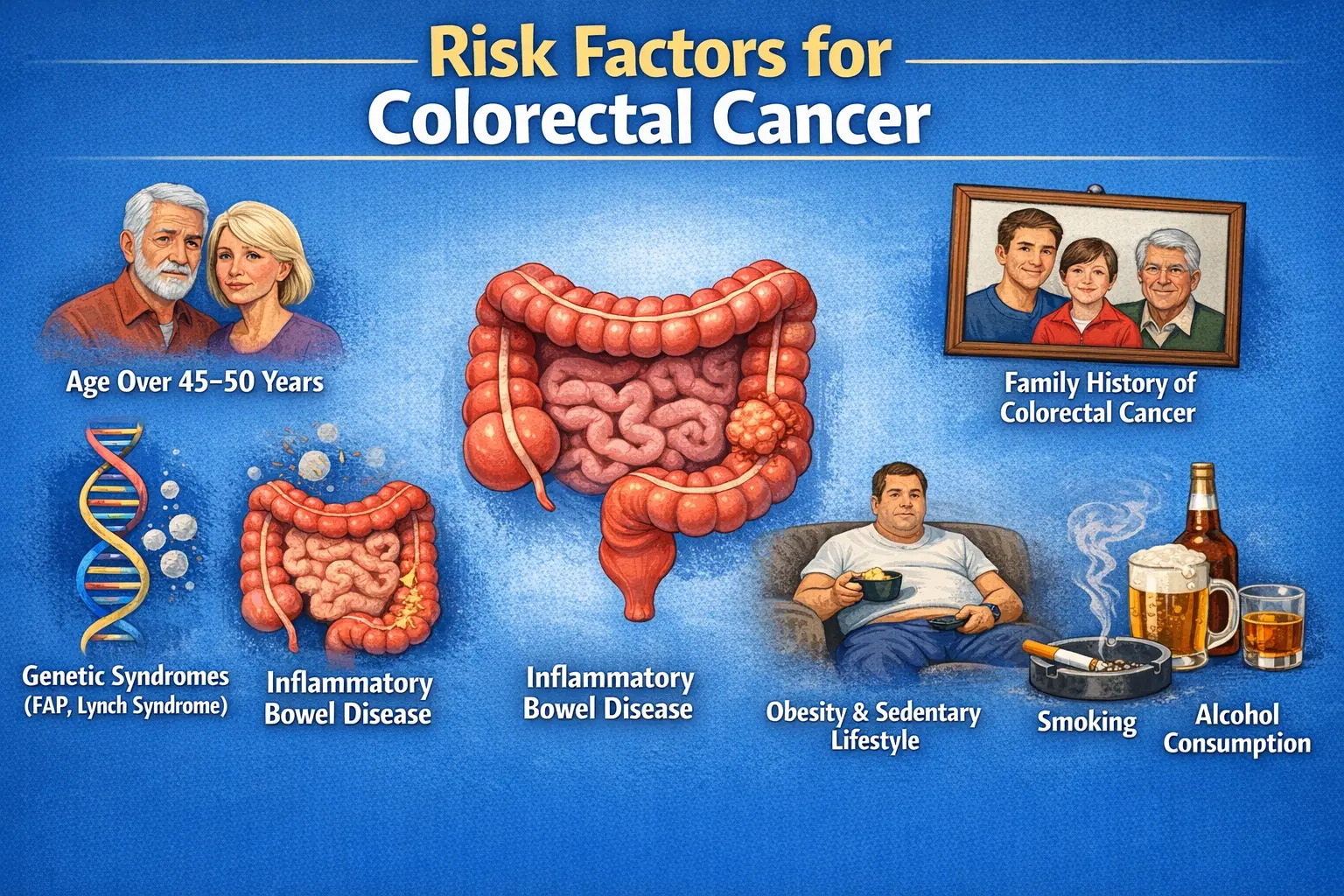
- Increasing age, particularly after 60 years
- Chronic vulvar skin conditions such as lichen sclerosus
- Smoking
- Immunosuppression
- Previous history of cervical or vaginal cancer
Understanding these risk factors helps identify women who may benefit from early screening and vigilant monitoring.
Symptoms of Vulvar Cancer
Early vulvar cancer may produce minimal symptoms, which is why many women delay seeking medical attention. However, persistent changes should never be ignored.
Common symptoms include:
- Chronic itching or burning sensation
- A lump, ulcer, or wart-like growth
- Persistent non-healing sore
- Bleeding unrelated to menstruation
- Pain during intercourse
- Skin discoloration or thickening
- Enlarged groin lymph nodes
Any vulvar lesion lasting more than two to three weeks requires evaluation by a specialist. Early detection often allows for less extensive surgery and improved outcomes.
Diagnosis and Staging of Vulvar Cancer
Accurate diagnosis forms the foundation of effective treatment. Dr. Lovedeep Singh Chauhan emphasizes thorough evaluation before initiating therapy.
Clinical Examination
A detailed pelvic examination helps assess lesion size, location, and involvement of adjacent structures.
Biopsy
A vulvar biopsy confirms the diagnosis. Histopathology determines the cancer type and grade, which influences treatment planning.
Imaging
MRI of the pelvis helps evaluate the local extent of disease.
- CT scans of chest, abdomen, and pelvis
- PET-CT in selected advanced cases
Lymph Node Assessment
The status of inguinal (groin) lymph nodes is a key prognostic factor. Sentinel lymph node mapping helps detect early nodal spread while minimizing complications.
Staging (FIGO Classification)
- Stage I: Disease confined to the vulva
- Stage II: Extension to nearby perineal structures
- Stage III: Spread to inguinal lymph nodes
- Stage IV: Advanced local invasion or distant metastasis
Precise staging ensures appropriate treatment selection and helps predict prognosis.
Diagnosis and Staging of Vulvar Cancer
Accurate diagnosis forms the foundation of effective treatment. Dr. Lovedeep Singh Chauhan emphasizes thorough evaluation before initiating therapy.
Clinical Examination
A detailed pelvic examination helps assess lesion size, location, and involvement of adjacent structures.
Biopsy
A vulvar biopsy confirms the diagnosis. Histopathology determines the cancer type and grade, which influences treatment planning.
Imaging
MRI of the pelvis helps evaluate the local extent of disease.
- CT scans of chest, abdomen, and pelvis
- PET-CT in selected advanced cases
Lymph Node Assessment
The status of inguinal (groin) lymph nodes is a key prognostic factor. Sentinel lymph node mapping helps detect early nodal spread while minimizing complications.
Staging (FIGO Classification)
- Stage I: Disease confined to the vulva
- Stage II: Extension to nearby perineal structures
- Stage III: Spread to inguinal lymph nodes
- Stage IV: Advanced local invasion or distant metastasis
Precise staging ensures appropriate treatment selection and helps predict prognosis.
Radiation Therapy
Radiation therapy may be recommended in cases with positive lymph nodes, close margins, or advanced disease. It can be used as an adjuvant treatment after surgery or combined with chemotherapy in select cases.
Chemotherapy and Chemoradiation
Chemotherapy is generally reserved for advanced or metastatic disease. In certain locally advanced cases, chemoradiation may shrink tumors before surgery or serve as definitive treatment when surgery is not feasible.
Recovery and Post-Treatment Care
Recovery after vulvar cancer surgery varies depending on the extent of the procedure. Early-stage surgeries often allow quicker healing, while extensive surgeries may require longer wound care and rehabilitation.
- Wound management
- Pain control
- Prevention of infection
- Monitoring for lymphedema
- Emotional and psychological support
Sexual health counseling and rehabilitation are important components of comprehensive care, as vulvar cancer treatment can impact intimacy and body image. Regular follow-up is critical, as most recurrences occur within the first two to three years. Follow-up typically includes physical examinations and imaging when indicated.
Prognosis and Survival
When diagnosed early, vulvar cancer has a favorable prognosis. Five-year survival rates are significantly higher for Stage I disease compared to advanced stages.
Tumor size
Depth of invasion
Lymph node involvement
Surgical margins
Overall health of the patient
Early consultation with a surgical oncologist improves the likelihood of curative treatment.
Prevention and Risk Reduction
Preventive strategies include:
Why Choose Dr. Lovedeep Singh Chauhan for Vulvar Cancer Treatment?
Vulvar cancer treatment requires not only technical surgical expertise but also sensitivity and individualized care. Dr. Lovedeep Singh Chauhan offers a patient-centered approach backed by advanced oncologic training and multidisciplinary collaboration.
Advanced Care at Max Super Speciality Hospital, Mohali
- Advanced operating facilities
- Multidisciplinary tumor board discussions
- Modern imaging support
- Evidence-based treatment protocols
- Enhanced recovery programs
Expertise & Patient-Centered Approach
Dr. Chauhan’s experience in complex oncologic surgeries ensures that treatment plans are tailored according to disease stage, patient needs, and long-term quality of life considerations.
His approach combines scientific precision with compassionate care, ensuring that patients and their families are fully informed at every step of treatment.
When Should You Consult a Surgical Oncologist?
Immediate consultation is advised if you experience:
Persistent vulvar itching or lesions
Biopsy-confirmed VIN or cancer
Enlarged groin lymph nodes
Recurrent or non-healing vulvar ulcers
Bleeding not related to menstruation
Early expert evaluation can significantly improve treatment outcomes and reduce the extent of surgery required.
Have a Question? Get In Touch


