




Consultant Surgical Oncologist – Dr. Lovedeep Singh Chauhan
Uterus cancer is one of the most common gynecological cancers affecting women, particularly after menopause. With increasing awareness, improved diagnostic techniques, and advancements in minimally invasive surgery, early detection and effective treatment have significantly improved outcomes.
Dr. Lovedeep Singh Chauhan, Consultant Consultant Surgical Oncologist at Max Super Speciality Hospital, Mohali, provides evidence-based, personalized, and comprehensive surgical care for uterus cancer. His approach integrates accurate staging, advanced minimally invasive techniques, multidisciplinary planning, and long-term follow-up to ensure optimal patient outcomes.
Here we will know information about uterus cancer, its symptoms, diagnosis, staging, treatment options, and the role of advanced surgical oncology in improving survival and quality of life.
Understanding Uterus Cancer
The uterus, commonly known as the womb, is a hollow muscular organ located in the pelvis. It plays a vital role in menstruation and pregnancy. Cancer of the uterus most commonly arises from the inner lining called the endometrium.
Types of Uterus Cancer
-
Endometrial Cancer
This is the most common form, accounting for the majority of cases. It develops from the glandular lining of the uterus and is often diagnosed at an early stage because it commonly presents with abnormal bleeding. -
Uterine Sarcoma
A rare and more aggressive type that arises from the muscle or connective tissue of the uterus.
Most patients are diagnosed in the early stages due to noticeable symptoms, which makes timely consultation crucial.
Causes and Risk Factors
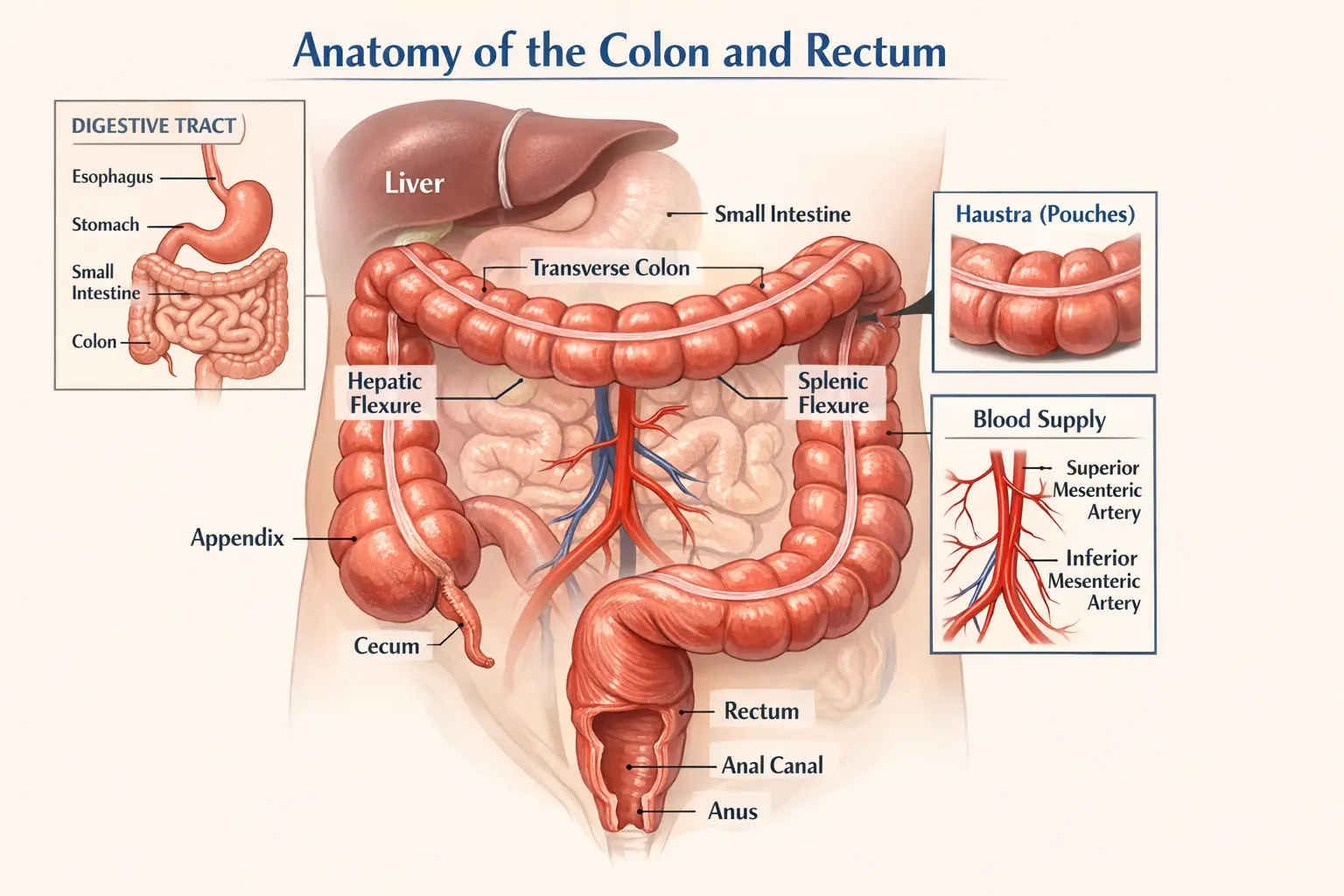
Uterus cancer is strongly associated with hormonal imbalance, particularly prolonged exposure to estrogen without progesterone opposition.
Major risk factors include:
- Postmenopausal age group
- Obesity and metabolic syndrome
- Diabetes and hypertension
- Early onset of menstruation or late menopause
- Never having been pregnant
- Polycystic ovarian syndrome (PCOS)
- Family history of uterine or colorectal cancers
- Genetic conditions such as Lynch syndrome
- Long-term use of unopposed estrogen therapy
Understanding these risk factors helps in identifying high-risk individuals and encouraging early evaluation.
Symptoms of Uterus Cancer
The most common presenting symptom is abnormal vaginal bleeding. Any abnormal bleeding, particularly after menopause, should never be ignored.
Common symptoms include:
- Postmenopausal bleeding
- Heavy or irregular menstrual bleeding
- Bleeding between periods
- Pelvic pain or pressure
- Unusual vaginal discharge
- Pain during intercourse
- Unexplained weight loss in advanced stages
Early symptoms are often subtle but noticeable. Seeking prompt medical evaluation significantly improves chances of cure.
Diagnostic Evaluation and Staging
Accurate diagnosis and staging form the foundation of effective treatment planning.
Initial Evaluation
The process typically begins with a detailed history and physical examination, followed by imaging and biopsy.
Transvaginal Ultrasound
Used to measure endometrial thickness and detect abnormalities.
Endometrial Biopsy
A definitive diagnostic procedure where tissue is examined under a microscope.
Hysteroscopy
Allows direct visualization of the uterine cavity.
MRI of the Pelvis
Evaluates depth of myometrial invasion and cervical involvement.
CT Scan
Detects spread to lymph nodes or distant organs.
PET-CT Scan
Used in selected high-risk or advanced cases.
Staging
Uterus cancer is staged from Stage I (confined to uterus) to Stage IV (spread beyond pelvis). Surgical staging provides the most accurate assessment of disease extent.
Treatment of Uterus Cancer
Treatment depends on tumor type, stage, grade, molecular profile, and patient-related factors such as age and comorbidities.
Surgery – The Cornerstone of Treatment
Surgery is the primary treatment for most cases.
Standard Surgical Procedure
- Total hysterectomy (removal of uterus)
- Bilateral salpingo-oophorectomy (removal of ovaries and fallopian tubes)
- Pelvic and para-aortic lymph node assessment
- Omentectomy in selected high-risk cases
Importance of Surgical Staging
Surgical staging ensures accurate treatment planning and reduces the risk of recurrence.
Minimally Invasive & Robotic Surgery
Minimally invasive techniques such as laparoscopic and robotic surgery have revolutionized uterus cancer treatment.
Smaller incisions
Less blood loss
Reduced postoperative pain
Faster recovery
Shorter hospital stay
Early return to normal activities
Dr. Lovedeep Singh Chauhan specializes in advanced minimally invasive cancer surgery, ensuring oncological safety along with improved recovery outcomes.
Radiation Therapy
Radiation therapy may be recommended after surgery in selected cases to reduce recurrence risk.
Types include:
- External beam radiation therapy
- Vaginal brachytherapy
The need for radiation depends on tumor grade, depth of invasion, and lymph node involvement.
Chemotherapy
Chemotherapy is used in:
- Advanced-stage disease
- High-grade tumors
- Recurrent cancers
It may be administered alone or in combination with radiation therapy.
Targeted Therapy & Immunotherapy
Advances in molecular oncology have introduced targeted treatments for selected high-risk or recurrent cases. Molecular profiling helps guide individualized therapy decisions.
Management of Advanced & Recurrent Uterus Cancer
In advanced disease where cancer spreads beyond the uterus, treatment requires a comprehensive and multidisciplinary approach.
Management strategies may include:
- Cytoreductive surgery
- Combination chemotherapy
- Hormonal therapy (selected cases)
- Targeted agents
- Palliative care for symptom control
Individualized treatment planning significantly improves both survival and quality of life.
Fertility-Sparing Options
In carefully selected young patients with early-stage disease, fertility-preserving treatment may be considered under strict protocols. This requires thorough counseling and close monitoring.
Recovery After Surgery
Recovery depends on the surgical approach:
- Minimally invasive surgery: 2–4 weeks
- Open surgery: 4–6 weeks
Patients are encouraged to gradually resume activities, maintain a healthy diet, and attend scheduled follow-ups.
Long-Term Follow-Up and Survivorship
Regular follow-up is essential to detect recurrence early.
Clinical examination
Imaging when indicated
Monitoring of symptoms
Lifestyle modifications such as weight control, exercise, and diabetes management play an important role in long-term outcomes.
Why Choose Dr. Lovedeep Singh Chauhan?
Dr. Lovedeep Singh Chauhan is a highly trained Surgical Oncologist with advanced expertise in gynecological malignancies including uterus, ovarian, and cervical cancers. Having completed super-specialty training in Surgical Oncology from Tata Memorial Hospital, he practices evidence-based cancer care with a strong focus on surgical precision and patient safety.
Facilities at Max Super Speciality Hospital, Mohali
- Advanced operation theatres
- High-end imaging facilities
- Intensive care support
- Multidisciplinary tumor board evaluation
- Dedicated oncology nursing care
Treatment Approach
- Accurate diagnosis and staging
- Personalized surgical planning
- Minimally invasive techniques whenever feasible
- Ethical and transparent communication
- Long-term survivorship support
Patients benefit from coordinated care involving medical oncologists, radiation oncologists, radiologists, and pathologists to ensure comprehensive treatment.
When Should You Consult?
Immediate consultation is advised if you experience:
Postmenopausal bleeding
Persistent abnormal menstrual bleeding
Suspicious biopsy report
Recurrent uterine cancer
Strong family history of gynecological cancers
Early evaluation significantly improves survival rates.
Frequently Asked Questions
Have a Question? Get In Touch


