




Advanced Surgical & Multidisciplinary Breast Cancer Care
Triple-Negative Breast Cancer (TNBC) is one of the most challenging and aggressive forms of breast cancer. Unlike hormone-positive or HER2-positive cancers, TNBC does not respond to hormonal therapy or HER2-targeted treatments. Because of this, early diagnosis, precise staging, expert surgical planning, and coordinated multidisciplinary care are absolutely essential for achieving the best possible outcomes.
Under the expertise of Dr. Lovedeep Singh Chauhan , Consultant Surgical Oncologist in punjab at Max Super Speciality Hospital, patients receive evidence-based, individualized treatment for Triple-Negative breast cancer . With advanced training in oncologic surgery and experience in managing complex breast malignancies, Dr. Chauhan integrates surgical precision with comprehensive cancer care planning.
This detailed guide explains everything you need to know about Triple-Negative Breast Cancer — from diagnosis to long-term follow-up.
Understanding Triple-Negative Breast Cancer
Triple-Negative Breast Cancer is defined by the absence of three key receptors that commonly drive breast cancer growth:
- Estrogen Receptor (ER-negative)
- Progesterone Receptor (PR-negative)
- HER2 protein (HER2-negative)
In other types of breast cancer, these receptors allow doctors to use hormone-blocking medications or HER2-targeted therapies. However, in TNBC, these treatment options are ineffective. As a result, systemic chemotherapy becomes the mainstay of treatment, combined with surgery and often radiation therapy.
TNBC accounts for approximately 10–20% of all breast cancers. It is more frequently diagnosed in younger women, women with BRCA1 gene mutations, and those with a strong family history of breast or ovarian cancer.
Triple-Negative Breast Cancer is defined by the absence of three key receptors that commonly drive breast cancer growth:
- Estrogen Receptor (ER-negative)
- Progesterone Receptor (PR-negative)
- HER2 protein (HER2-negative)
In other types of breast cancer, these receptors allow doctors to use hormone-blocking medications or HER2-targeted therapies. However, in TNBC, these treatment options are ineffective. As a result, systemic chemotherapy becomes the mainstay of treatment, combined with surgery and often radiation therapy.
TNBC accounts for approximately 10–20% of all breast cancers. It is more frequently diagnosed in younger women, women with BRCA1 gene mutations, and those with a strong family history of breast or ovarian cancer.
Causes and Risk Factors
Genetic Predisposition
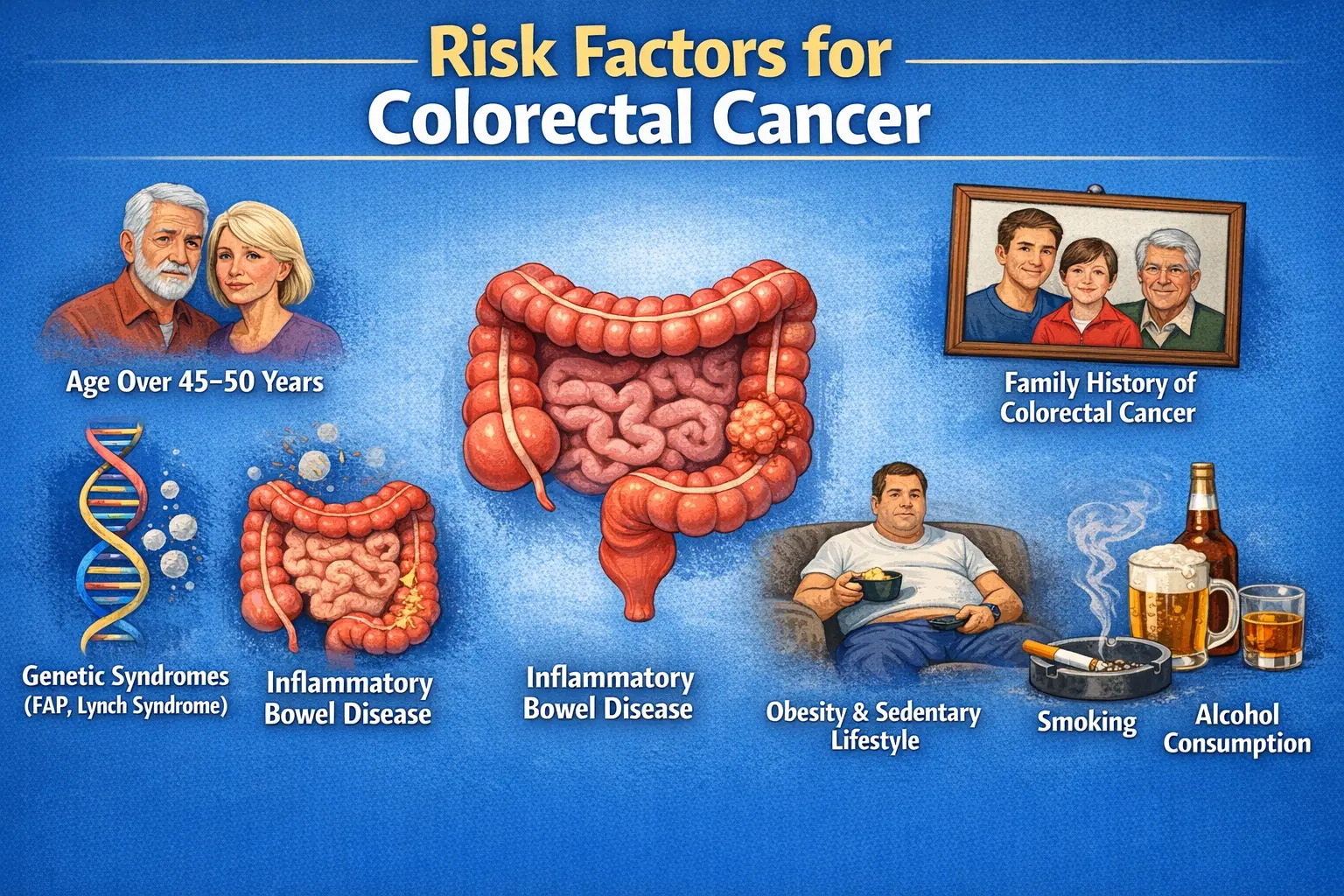
Women with BRCA1 mutations have a significantly increased risk of developing TNBC. Genetic counseling is strongly recommended for patients with:
- Early-onset breast cancer
- Strong family history
- Bilateral breast cancer
- Associated ovarian cancer in relatives
Age and Demographics
TNBC is more common in women below 50 years of age. It may also be seen in certain ethnic populations at higher rates.
Lifestyle Factors
While the exact cause is not fully understood, obesity, lack of physical activity, and hormonal exposure patterns may contribute to overall breast cancer risk.
Symptoms of Triple-Negative Breast Cancer
Clinically, TNBC presents similarly to other breast cancers. However, due to its faster growth rate, the lump may increase in size quickly.
Common symptoms include:
- A painless, firm breast lump
- Rapidly enlarging mass
- Breast swelling or thickening
- Skin changes such as redness or dimpling
- Nipple inversion or discharge
- Enlarged lymph nodes in the armpit
Any persistent breast lump or abnormal change should be evaluated without delay.
Diagnostic Evaluation: Confirming TNBC
Accurate diagnosis is the cornerstone of effective treatment. The evaluation typically includes clinical examination, imaging, and tissue diagnosis.
Clinical Breast Examination
A detailed assessment of both breasts and regional lymph nodes helps determine the extent of disease and guides further testing.
Breast Imaging
Imaging studies may include:
- Mammography – Detects suspicious masses and calcifications
- Breast Ultrasound – Differentiates solid from cystic lesions
- Breast MRI – Useful in dense breasts or suspected multifocal disease
Core Needle Biopsy
A core biopsy confirms the diagnosis and provides:
- Tumor type
- Tumor grade
- Receptor status (ER, PR, HER2)
Immunohistochemistry determines whether the cancer is triple-negative.
Staging Workup
If cancer is confirmed, staging investigations may include:
- CT scan of chest, abdomen, pelvis
- PET-CT in advanced cases
- Bone scan if clinically indicated
Staging helps determine whether the cancer is localized or has spread beyond the breast.
Staging of Triple-Negative Breast Cancer
TNBC follows the TNM staging system:
- T (Tumor size)
- N (Lymph node involvement)
- M (Distant metastasis)
Stages range from Stage I (small, localized tumor) to Stage IV (metastatic disease). Early-stage TNBC has a strong chance of cure with aggressive multimodal therapy.
Treatment of Triple-Negative Breast Cancer
Treatment planning depends on stage, tumor size, lymph node involvement, genetic profile, and patient health status. A multidisciplinary tumor board approach ensures the best strategy.
Neoadjuvant Chemotherapy (Before Surgery)
In many TNBC cases, chemotherapy is given before surgery. This approach:
- Shrinks the tumor
- Increases chances of breast conservation
- Provides prognostic information
- Assesses tumor response
Patients achieving pathological complete response (no residual tumor after chemotherapy) have excellent long-term outcomes.
Surgical Management of TNBC
Surgery remains a critical component of TNBC treatment. The goal is complete tumor removal with clear margins while preserving function and appearance whenever possible.
Breast-Conserving Surgery (Lumpectomy)
This involves removal of the tumor with surrounding healthy tissue. It is typically followed by radiation therapy to minimize recurrence risk.
- Appropriate tumor size
- Good response to chemotherapy
- Clear margins achievable
Modified Radical Mastectomy
In cases of larger tumors or extensive disease, complete removal of the breast along with axillary lymph nodes may be required.
Sentinel Lymph Node Biopsy
This minimally invasive procedure identifies whether cancer has spread to lymph nodes. If sentinel nodes are negative, extensive node removal may be avoided.
Radiation Therapy
Radiation therapy is usually recommended after:
- Breast-conserving surgery
- Node-positive mastectomy
- Large tumors
It significantly reduces local recurrence risk.
Immunotherapy
Recent advances have improved outcomes in TNBC. Checkpoint inhibitors combined with chemotherapy may benefit selected high-risk or advanced TNBC patients.
PARP Inhibitors (Targeted Therapy)
For patients with BRCA mutations, targeted drugs called PARP inhibitors may be effective.
Management of Advanced or Metastatic TNBC
Stage IV TNBC requires systemic therapy as the primary treatment. Surgery may still play a role in selected cases for:
Symptom Relief
Local Control
Oligometastatic Disease
A personalized approach ensures that treatment aligns with patient goals and quality of life considerations.
Oncoplastic and Reconstructive Options
Modern breast cancer care emphasizes both survival and quality of life. Reconstructive surgery options include:
Immediate Reconstruction
Delayed Reconstruction
Implant-Based Reconstruction
Autologous Tissue Reconstruction
Patients are counseled regarding benefits, risks, and cosmetic expectations before finalizing the surgical plan.
Mouth Cancer Treatment by Dr. Lovedeep Singh Chauhan
Dr. Lovedeep Singh Chauhan is a highly trained Surgical Oncologist with MCh in Surgical Oncology from Tata Memorial Hospital, one of the premier cancer institutes in India. Currently serving as Consultant Surgical Oncologist at Max Super Speciality Hospital, Mohali, he provides advanced surgical care for oral and head & neck cancers.
- Early and advanced oral cancer surgery
- Complex composite resections
- Neck dissection
- Microvascular reconstruction
- Multidisciplinary cancer management
- Evidence-based treatment protocols
Every case is discussed in a tumor board setting to ensure optimal treatment planning.
Triple-Negative Breast Cancer Surgery by Dr. Lovedeep Singh Chauhan
Effective TNBC management demands surgical precision, oncologic safety, and coordinated care.
Dr. Lovedeep Singh Chauhan is a highly trained Surgical Oncologist with MCh specialization from Tata Memorial Hospital. At Max Super Speciality Hospital, he offers:
- Advanced breast-conserving surgery
- Modified radical mastectomy
- Sentinel lymph node biopsy
- Oncoplastic techniques
- Management of locally advanced breast cancer
His approach combines:
- Evidence-based treatment planning
- Multidisciplinary coordination
- Transparent communication
- Patient-centered decision making
Each patient receives a personalized surgical plan tailored to tumor biology and individual preferences.
Frequently Asked Questions (FAQs)
Have a Question? Get In Touch


