




Advanced Surgical & Multidisciplinary Care by Dr. Lovedeep Singh Chauhan
Male breast cancer is uncommon, but it is a serious and potentially life-threatening disease that requires timely diagnosis and specialized treatment. Because breast cancer is often perceived as a “female disease,” many men ignore early symptoms, leading to delayed presentation and more advanced stages at diagnosis. Awareness, early evaluation, and expert-guided therapy can significantly improve survival and quality of life.
Dr. Lovedeep Singh Chauhan , Consultant Surgical Oncologist in punjab at Max Super Speciality Hospital, provides comprehensive, evidence-based treatment for male breast cancer. With advanced training from Tata Memorial Hospital and extensive experience in surgical oncology, he offers individualized treatment planning supported by a multidisciplinary cancer care approach.
Understanding Male Breast Cancer
Although men have significantly less breast tissue than women, they do possess ducts and rudimentary glandular structures. Cancer can develop in these tissues when genetic mutations cause uncontrolled cell growth.
Male breast cancer accounts for less than 1% of all breast cancer cases worldwide. However, its rarity does not reduce its seriousness. Because routine screening is not performed in men, diagnosis often happens after a lump becomes noticeable.
The majority of male breast cancers are:
- Invasive Ductal Carcinoma (IDC)
- Hormone receptor-positive (Estrogen and/or Progesterone receptor positive)
Unlike in women, lobular carcinoma is extremely rare in men due to minimal lobular development.
Why Male Breast Cancer Is Often Diagnosed Late
Several factors contribute to delayed diagnosis:
- Lack of awareness about the possibility of breast cancer in men
- Social stigma and embarrassment
- Misinterpretation of symptoms as gynecomastia (benign enlargement)
- Absence of screening programs
Because male breast tissue is limited, tumors may quickly invade underlying muscle or skin if not addressed early. Therefore, any suspicious change should be evaluated promptly.
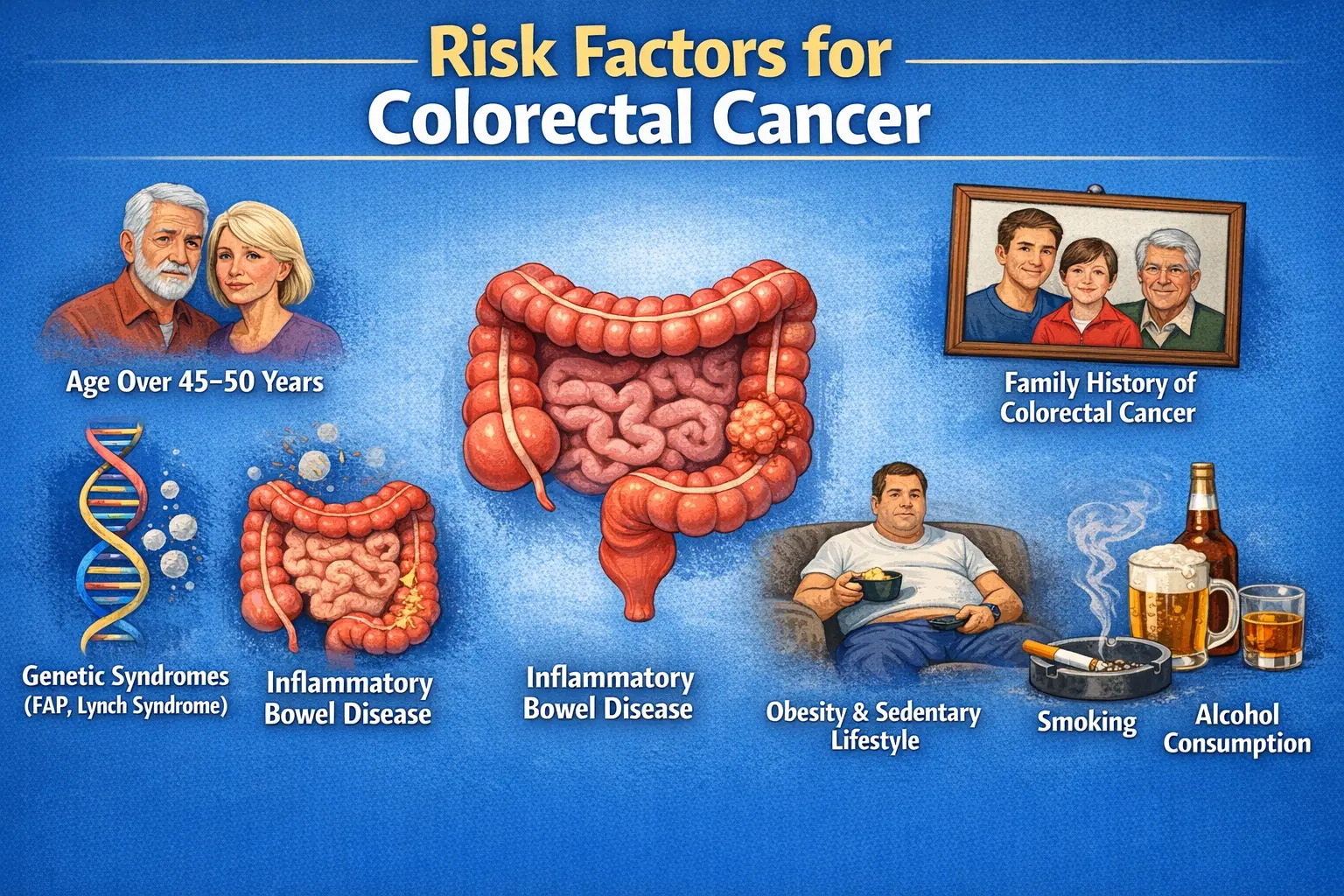
Risk Factors for Male Breast Cancer
Understanding risk factors helps identify individuals who may benefit from early evaluation.
Age
Most cases occur in men between 60 and 70 years of age.
Genetic Mutations
BRCA2 gene mutation significantly increases risk. Men with a strong family history of breast or ovarian cancer should consider genetic counseling.
Family History
Having a first-degree relative with breast cancer raises the likelihood of developing the disease.
Hormonal Imbalance
Conditions that increase estrogen levels, such as:
- Klinefelter syndrome
- Liver disease
- Obesity
Radiation Exposure
Previous chest radiation therapy increases long-term risk.
Testicular Conditions
Undescended testes, orchitis, or prior testicular surgery may alter hormone balance.
Men with one or more of these risk factors should not ignore breast-related symptoms.
Signs and Symptoms of Male Breast Cancer
Early symptoms are often subtle. The most common presentation is a painless lump beneath the nipple.
Other warning signs include:
- Thickening or swelling in the chest area
- Nipple retraction (pulled inward)
- Ulceration of overlying skin
- Bloody or clear nipple discharge
- Persistent redness or scaling around the nipple
- Enlarged lymph nodes in the armpit
Unlike gynecomastia, which is usually soft and symmetrical, cancerous lumps tend to be firm, irregular, and fixed to surrounding tissue. Any new lump in a man should always be evaluated by a surgical oncologist.
Diagnostic Evaluation
Accurate diagnosis forms the foundation of effective treatment.
Clinical Examination
A detailed history and physical examination are performed to assess lump characteristics and lymph node involvement.
Imaging Studies
- Ultrasound of the breast and axilla
- Mammography (select cases)
- MRI (if indicated)
Tissue Diagnosis
A core needle biopsy is essential to confirm malignancy. This allows:
- Histopathological confirmation
- Hormone receptor testing (ER/PR)
- HER2 testing
- Ki-67 proliferation index
Staging Investigations
If invasive cancer is confirmed, staging may include:
- CT scan (chest, abdomen, pelvis)
- PET-CT (selected cases)
- Bone scan (if symptoms suggest metastasis)
Staging follows the TNM system:
- T – Tumor size
- N – Lymph node involvement
- M – Metastasis
Accurate staging determines treatment strategy and prognosis.
Treatment of Male Breast Cancer
Management depends on tumor size, stage, biology, and patient fitness. Treatment is often multimodal.
Surgery: The Cornerstone of Treatment
Surgery remains the primary treatment in most cases. Because of limited breast tissue in men, breast-conserving surgery is rarely feasible. The most common procedure performed is:
- Modified Radical Mastectomy
This involves removal of:
- Entire breast tissue
- Nipple-areola complex
- Axillary lymph nodes (if indicated)
In early-stage disease without clinically positive nodes, Sentinel Lymph Node Biopsy may be performed to avoid unnecessary full node dissection. Surgery aims for complete tumor removal with clear margins while minimizing complications.
Chemotherapy
Chemotherapy is recommended in:
- Node-positive disease
- Larger tumors
- High-grade cancers
- Triple-negative subtype
- HER2-positive tumors
It may be administered before surgery (neoadjuvant) to shrink tumors or after surgery (adjuvant) to reduce recurrence risk.
Hormonal Therapy
Most male breast cancers are estrogen receptor-positive. Tamoxifen is commonly prescribed for 5–10 years. It significantly reduces recurrence and improves survival. Side effects are discussed in detail during consultation and monitored during follow-up.
Targeted Therapy
If HER2-positive, targeted therapy (e.g., trastuzumab-based regimens) may be recommended.
Radiation Therapy
Radiation is advised in:
- Large tumors
- Positive lymph nodes
- Close surgical margins
- Chest wall involvement
It reduces local recurrence risk and improves long-term outcomes.
Prognosis and Survivorship
Prognosis and Survival
When detected early, male breast cancer has survival rates comparable to female breast cancer. Prognosis depends on:
- Stage at diagnosis
- Tumor biology
- Lymph node status
- Treatment adherence
Delayed diagnosis remains the primary factor leading to poorer outcomes. Early consultation significantly improves survival.
Long-Term Follow-Up and Survivorship
After treatment, regular follow-up is essential. Follow-up includes:
- Clinical examination every 3–6 months initially
- Annual imaging (if indicated)
- Monitoring for hormonal therapy side effects
- Screening for recurrence
Lifestyle modifications such as weight management, physical activity, and avoidance of alcohol excess are encouraged. Psychological support is equally important, as men may face emotional distress due to the stigma associated with breast cancer.
Male Breast Cancer Surgery by Dr. Lovedeep Singh Chauhan
Dr. Lovedeep Singh Chauhan is a highly experienced surgical oncologist trained at premier institutions, including Tata Memorial Hospital. He specializes in advanced oncologic surgery with a patient-centered approach.
Multidisciplinary tumor board discussions
Evidence-based treatment protocols
Modern surgical infrastructure
Coordinated medical and radiation oncology services
Individualized treatment planning for every patient
At Max Super Speciality Hospital, patients receive comprehensive cancer care tailored to their needs rather than a one-size-fits-all approach.
Why Choose Dr. Lovedeep Singh Chauhan for Male Breast Cancer Treatment?
Choosing the right oncologist directly impacts outcomes.
Expertise & Care
- Extensive experience in breast and GI oncology
- Expertise in complex cancer surgeries
- Thorough preoperative evaluation
- Clear communication regarding treatment options
- Ethical, evidence-based care
- Long-term follow-up support
Patient Counseling & Family Support
- Detailed counseling about the surgical procedure
- Recovery timeline explanation
- Discussion of risks and benefits
- Need for chemotherapy or radiation
- Hormonal therapy management
- Family members encouraged to participate in discussions
What Happens During Your First Consultation?
The first consultation is comprehensive and structured to ensure you understand your diagnosis and treatment options.
Detailed Medical & Family History
Review of Imaging & Biopsy Reports
Clinical Examination
Stage Explanation Using Diagrams
Discussion of Treatment Roadmap
Clarification of Outcomes & Recovery
Patients are given adequate time to ask questions and fully understand their options before proceeding with treatment.
Frequently Asked Questions
Have a Question? Get In Touch


