
!-- HERO SECTION -->

Breast Cancer Treatment

Comprehensive Surgical Care by Dr. Lovedeep Singh Chauhan

Evidence-Based Treatment

Dr. Lovedeep Singh Chauhan – Consultant Surgical Oncologist

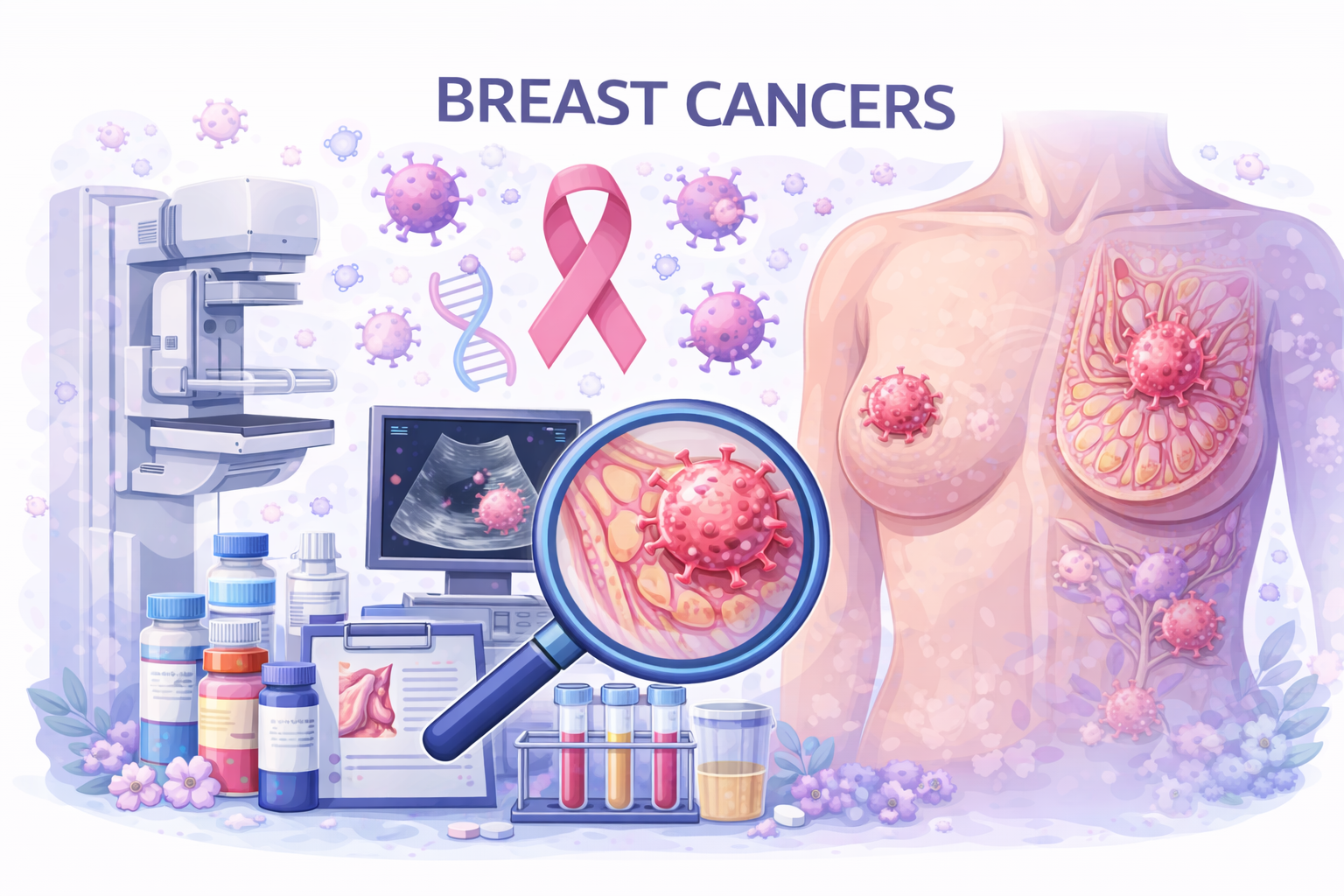
Breast cancer is one of the most common cancers affecting women worldwide and is increasingly being diagnosed at younger ages in India. Although it is more prevalent in women, men can also develop breast cancer. With advances in screening, imaging, pathology, and surgical techniques, breast cancer is now one of the most treatable and curable cancers, especially when detected early.

For patients seeking expert breast cancer treatment in Punjab and surrounding regions, Dr. Lovedeep Singh Chauhan, Consultant Surgical Oncologist, provides comprehensive, evidence-based surgical care tailored to each patient’s diagnosis, stage, and individual needs. His approach combines oncological safety with preservation of function, appearance, and quality of life.

Understanding Breast Cancer

Breast cancer develops when abnormal cells grow uncontrollably in the breast tissue. These cells may originate in the milk ducts, milk-producing lobules, or surrounding connective tissue. Over time, cancer cells can spread to nearby lymph nodes or distant organs if not treated promptly. Breast cancer is not a single disease. It includes several subtypes, each behaving differently and requiring a personalized treatment strategy. Factors such as tumor size, lymph node involvement, hormone receptor status, HER2 status, and overall health influence treatment decisions.

Types of Breast Cancer Treated

Comprehensive surgical management tailored to tumor type, stage, and biological characteristics

Ductal Carcinoma In Situ (DCIS)

Ductal Carcinoma In Situ is a non-invasive breast cancer confined to the milk ducts. It is often detected through screening mammography before symptoms appear.

  • Confined to milk ducts without invasion
  • Potential to progress if untreated
  • Managed with surgery, often breast-conserving surgery
  • Radiation therapy may be recommended
  • Excellent cure rates when treated early

Invasive Ductal Carcinoma (IDC)

Invasive Ductal Carcinoma is the most common type of breast cancer. It begins in the ducts and spreads into surrounding breast tissue, with the potential to involve lymph nodes.

  • Most common breast cancer type
  • May involve lymph nodes
  • Surgery forms the foundation of treatment
  • May require chemotherapy and radiation
  • Hormonal or targeted therapy as indicated

Invasive Lobular Carcinoma (ILC)

Invasive Lobular Carcinoma arises from the milk-producing lobules and may be more difficult to detect on imaging. It can involve larger areas of the breast without forming a distinct lump.

  • Originates from milk-producing lobules
  • May not form a distinct lump
  • Requires careful imaging evaluation
  • Breast-conserving surgery or mastectomy as appropriate
  • Margin assessment is essential

Lobular Carcinoma In Situ (LCIS)

LCIS is not cancer but a marker of increased breast cancer risk in both breasts. Patients with LCIS require close surveillance and individualized risk-reduction strategies.

  • Marker of increased breast cancer risk
  • Requires regular surveillance
  • Lifestyle modification counseling
  • Preventive medical strategies in selected cases
  • Surgical risk-reduction options when indicated

Triple-Negative Breast Cancer

Triple-Negative Breast Cancer lacks estrogen receptors, progesterone receptors, and HER2 expression. It tends to be more aggressive and may affect younger women.

  • More aggressive biological behavior
  • Often treated with chemotherapy before surgery
  • Surgery essential for local control
  • Carefully staged treatment planning
  • Focused follow-up and monitoring

HER2-Positive Breast Cancer

HER2-positive breast cancer overexpresses the HER2 protein, leading to rapid tumor growth. Targeted therapies have significantly improved outcomes.

  • HER2 protein overexpression
  • Rapid tumor growth potential
  • Surgery combined with targeted therapy
  • Chemotherapy as indicated
  • High rates of disease control with modern treatment

Inflammatory Breast Cancer

Inflammatory breast cancer is a rare but aggressive form characterized by redness, swelling, warmth, and skin thickening of the breast. It may initially resemble infection.

  • Redness and skin thickening
  • Often misdiagnosed as infection
  • Treatment begins with chemotherapy
  • Followed by surgery and radiation
  • Requires multimodal management

Paget’s Disease of the Breast

Paget’s disease affects the nipple-areola complex and may present as eczema-like changes, crusting, or discharge. It is often associated with underlying breast cancer.

  • Involves nipple-areola complex
  • May resemble chronic eczema
  • Often associated with underlying tumor
  • Surgical management based on disease extent
  • Pathology-guided treatment planning

Male Breast Cancer

Although rare, male breast cancer is increasingly recognized. Men often present late due to lack of awareness. Early diagnosis significantly improves outcomes.

  • Rare but important to recognize
  • Often diagnosed at later stages
  • Surgery is the primary treatment
  • Additional therapies based on pathology
  • Improved outcomes with early detection

Symptoms and Warning Signs of Breast Cancer

Early breast cancer may not cause pain. Common warning signs include:

Evidence-Based Treatment

Any persistent breast change should be evaluated promptly by a specialist to ensure early diagnosis and timely treatment.

Common Warning Signs

  • A lump or thickening in the breast or underarm
  • Change in breast size or shape
  • Nipple inversion or discharge
  • Skin dimpling, redness, or puckering
  • Persistent nipple or areolar changes
  • Swelling of part or all of the breast

Diagnosis and Staging of Breast Cancer

Accurate diagnosis and staging are essential for effective treatment planning.

Diagnostic Evaluation

  • Clinical breast examination
  • Mammography and breast ultrasound
  • Breast MRI in selected cases
  • Image-guided core needle biopsy

Pathology & Molecular Testing

  • Histological confirmation
  • Hormone receptor testing (ER, PR)
  • HER2 status
  • Ki-67 proliferation index

Staging

  • TNM staging system
  • Assessment of lymph node involvement
  • Imaging for metastatic disease when indicated

Surgical Treatment Options for Breast Cancer

Surgery plays a central role in breast cancer treatment. The choice of procedure is individualized based on disease extent, breast size, patient preference, and oncological safety.

Breast-Conserving Surgery (Lumpectomy)

Breast-conserving surgery involves removal of the tumor with a rim of normal tissue while preserving most of the breast. It is oncologically safe in appropriately selected patients and is usually followed by radiation therapy.

Mastectomy

Mastectomy involves removal of the entire breast and may be recommended for large tumors, multicentric disease, or patient preference.

Types include:
  • Simple mastectomy
  • Skin-sparing mastectomy
  • Nipple-sparing mastectomy

Sentinel Lymph Node Biopsy

This minimally invasive technique identifies the first lymph nodes draining the breast. If cancer is absent in these nodes, further axillary surgery may be avoided, reducing complications such as arm swelling.

Axillary Lymph Node Dissection

Performed when lymph node involvement is confirmed. Careful surgical technique helps minimize long-term complications.

Breast Reconstruction and Oncoplastic Surgery

Reconstruction can be performed at the time of cancer surgery or later. Oncoplastic techniques combine cancer removal with reshaping of the breast to achieve better cosmetic outcomes without compromising cancer control.

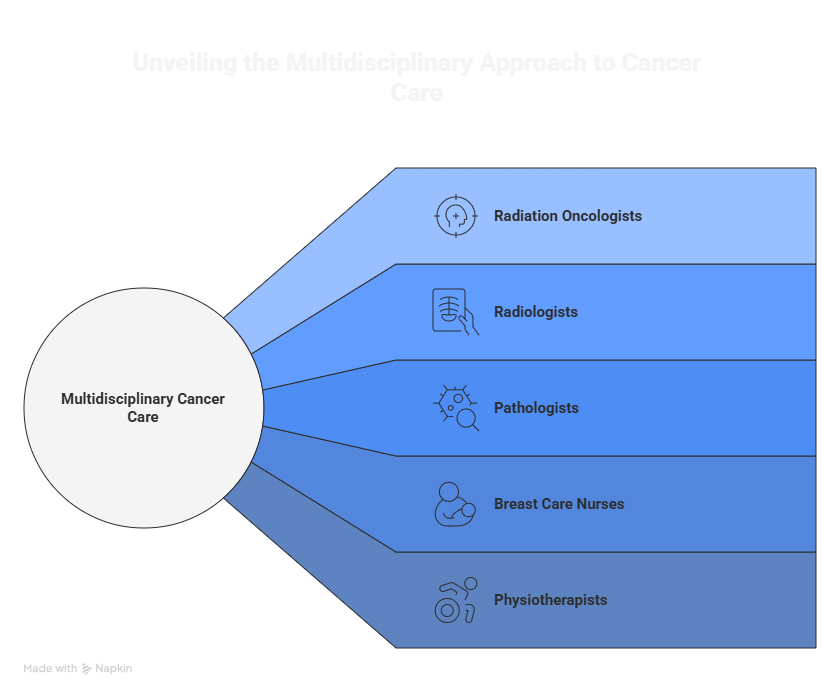
Multidisciplinary Breast Cancer Care

Effective breast cancer treatment requires collaboration across specialties. Dr. Lovedeep Singh Chauhan works closely with:

Specialist Team

  • Medical oncologists
  • Radiation oncologists
  • Radiologists
  • Pathologists
  • Breast care nurses and physiotherapists

Treatment decisions are guided by tumor board discussions and international guidelines.

Evidence-Based Treatment

Advanced and Minimally Invasive Surgical Approach

Modern breast cancer surgery focuses on precision, safety, and faster recovery. Advanced techniques help:

Reduce Hospital Stay
Minimize Pain and Scarring
Preserve Arm Function
Improve Cosmetic and Psychological Outcomes

When Should You Consult an Endocrine Cancer Specialist?

You should seek expert evaluation if you have:

Persistent neck swelling or thyroid nodules
Hormonal symptoms without a clear cause
Adrenal or parathyroid tumors on imaging
Family history of endocrine tumors or MEN syndromes

Life After Breast Cancer Surgery

Recovery after breast cancer surgery varies depending on the procedure performed.

Wound and drain management
Early mobilization
Arm exercises to prevent stiffness
Lymphedema prevention strategies
Regular follow-up and surveillance

Long-term follow-up is essential for early detection of recurrence and management of treatment-related effects.

Why Choose Dr. Lovedeep Singh Chauhan for Breast Cancer Treatment

  • Consultant Surgical Oncologist with advanced training from Tata Memorial Hospital, Mumbai
  • Extensive experience in breast-conserving surgery, mastectomy, and reconstruction
  • Expertise in managing early, advanced, and complex breast cancers
  • Evidence-based, ethical, and patient-centric care
  • Focus on oncological safety and quality of life
  • Clear communication and compassionate approach
Evidence-Based Treatment

Have a Question? Get In Touch

whatsapp-mobi
h-call
  • Book An Appointment