




Robotic & Minimally Invasive Cancer Surgeon Max Super Speciality Hospital, Mohali
Cervical cancer remains one of the most common gynecological cancers affecting women in India. Despite being largely preventable through screening and HPV vaccination, many patients are still diagnosed at advanced stages due to lack of awareness and irregular screening practices.
With timely diagnosis and stage-appropriate treatment, cervical cancer is highly treatable—and in early stages, often curable. Modern cancer care focuses not only on removing the disease but also on preserving quality of life, fertility (when possible), and long-term well-being.
Dr. Lovedeep Singh Chauhan , Consultant Surgical Oncologist at Max Super Speciality Hospital, Mohali, offers comprehensive cervical cancer management including advanced oncologic surgery, minimally invasive procedures, and multidisciplinary treatment planning tailored to each patient.
Understanding Cervical Cancer
What is Cervical Cancer?
Cervical cancer arises from the cells lining the cervix—the lower, narrow portion of the uterus that connects to the vagina. The majority of cervical cancers are caused by persistent infection with high-risk strains of the Human Papillomavirus (HPV), a very common virus transmitted through sexual contact.
In most women, the immune system clears HPV naturally. However, in some cases, persistent infection leads to abnormal cellular changes. These changes, known as cervical intraepithelial neoplasia (CIN), may progress gradually into invasive cancer if not detected and treated early.
This slow progression makes cervical cancer one of the few cancers that can be effectively prevented through screening and vaccination.
Causes and Risk Factors
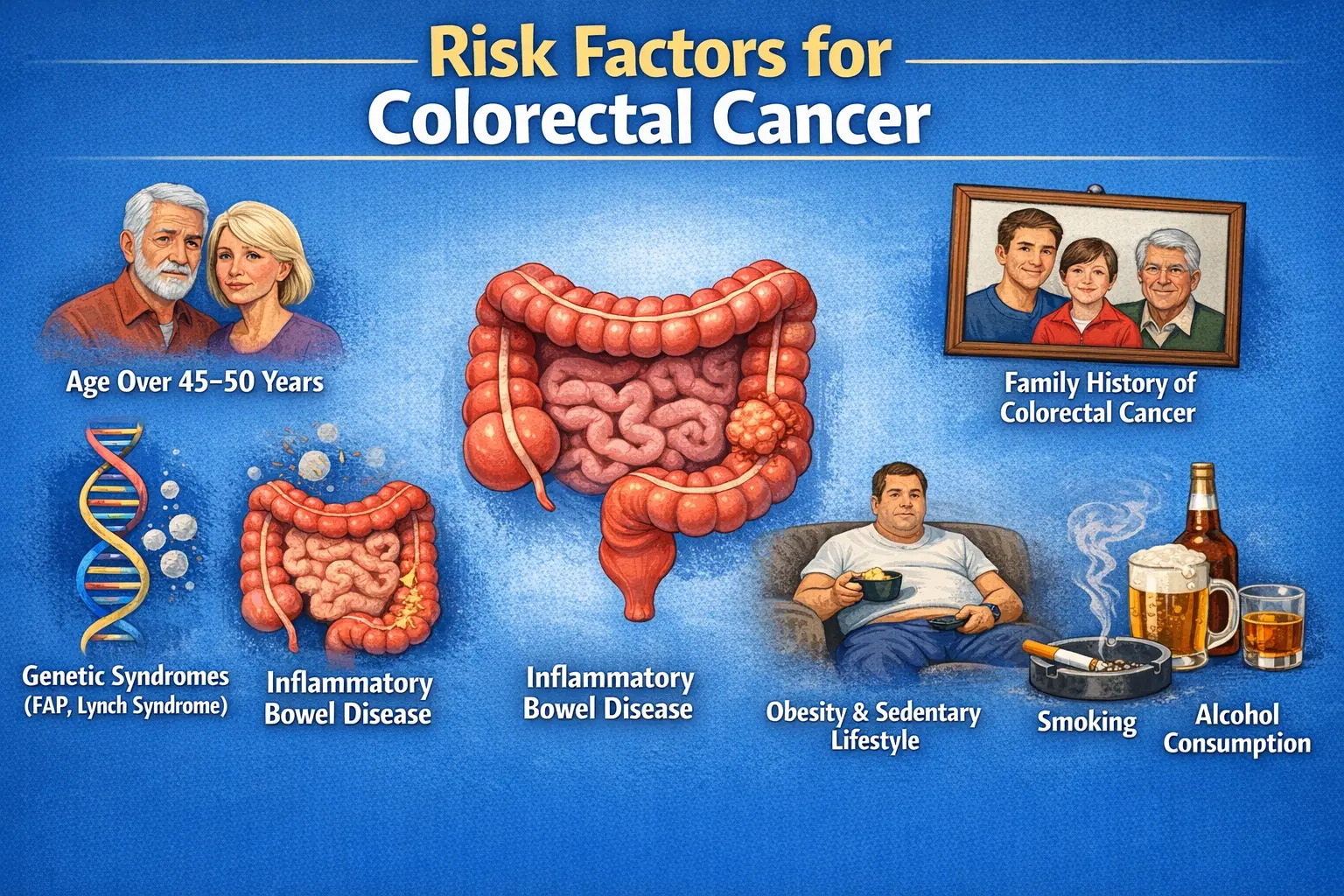
Persistent infection with high-risk HPV types—especially HPV 16 and 18—is the primary cause of cervical cancer. However, HPV infection alone does not guarantee cancer development. Several additional risk factors influence progression:
Women who begin sexual activity at a younger age or have multiple sexual partners are at higher risk due to increased HPV exposure. Smoking weakens local immune defense in the cervix and increases cancer risk. Immunocompromised individuals, including those with chronic illnesses or long-term immunosuppressive therapy, are also more vulnerable.
Long-term oral contraceptive use, multiple childbirths, poor genital hygiene, and lack of regular screening further contribute to increased risk.
Understanding these risk factors allows for better preventive strategies and early intervention.
Types of Cervical Cancer
Cervical cancer is classified based on the type of cells from which it originates.
Squamous Cell Carcinoma
This is the most common type, accounting for approximately 70–80% of cases. It develops from the flat, thin squamous cells lining the outer surface of the cervix.
Adenocarcinoma
Adenocarcinoma arises from glandular cells lining the cervical canal. Although less common than squamous carcinoma, its incidence has been gradually increasing.
Adenosquamous Carcinoma
A rare subtype containing features of both squamous cell carcinoma and adenocarcinoma.
The type of cancer influences treatment planning and prognosis, making accurate histopathological diagnosis essential.
Symptoms of Cervical Cancer
Early cervical cancer may not cause noticeable symptoms. As the disease progresses, patients may experience:
- Abnormal vaginal bleeding (between periods, after intercourse, or after menopause)
- Foul-smelling or watery vaginal discharge
- Pelvic pain
- Pain during intercourse
- Back pain in advanced stages
- Urinary or bowel symptoms (in locally advanced disease)
Any abnormal bleeding should never be ignored and requires evaluation by a specialist.
Screening and Prevention
Cervical cancer is one of the most preventable cancers.
Pap Smear Test
A Pap smear detects abnormal cells before they turn cancerous. Regular screening significantly reduces the risk of advanced cervical cancer.
HPV Testing
HPV DNA testing identifies high-risk strains responsible for cervical cancer.
HPV Vaccination
HPV vaccination is recommended for adolescent girls and young women and can significantly reduce the risk of cervical cancer.
Preventive strategies combined with awareness can drastically lower disease burden.
Diagnosis of Cervical Cancer
Once symptoms or abnormal screening results are detected, further evaluation is required.
Diagnostic Investigations Include:
- Pap smear
- HPV DNA testing
- Colposcopy
- Cervical biopsy
- MRI pelvis
- CT scan or PET-CT
- Cystoscopy (if bladder involvement suspected)
- Proctoscopy (if rectal involvement suspected)
Accurate staging is essential for selecting the correct treatment strategy.
Staging of Cervical Cancer
Cervical cancer staging is based on the FIGO classification system.
- Stage I: Cancer confined to the cervix.
- Stage II: Cancer extends beyond the cervix but not to the pelvic wall.
- Stage III: Spread to the pelvic wall or lower third of the vagina.
- Stage IV: Spread to nearby organs (bladder/rectum) or distant organs.
Early-stage cervical cancer has excellent cure rates with appropriate treatment.
Treatment of Cervical Cancer
Treatment depends on:
- Stage of cancer
- Tumor size
- Lymph node involvement
- Age and overall health
- Desire for fertility preservation
Management typically involves surgery, radiation therapy, chemotherapy, or a combination.
Surgical Treatment for Cervical Cancer
Surgery is the primary treatment for early-stage cervical cancer.
Conization
Used for very early-stage cancer or precancerous lesions. A cone-shaped portion of abnormal tissue is removed.
Simple Hysterectomy
Removal of uterus and cervix for select early cases.
Radical Hysterectomy
- Uterus
- Cervix
- Upper vagina
- Surrounding tissues (parametrium)
- Pelvic lymph nodes
This is the standard surgery for Stage IB and select Stage II cancers.
Radical Trachelectomy (Fertility-Sparing Surgery)
For carefully selected young women wishing to preserve fertility, removal of the cervix while preserving the uterus may be performed.
Minimally Invasive & Robotic Surgery
Where appropriate, laparoscopic or robotic approaches may be used for selected early-stage cases.
Benefits include:
- Smaller incisions
- Reduced blood loss
- Shorter hospital stay
- Faster recovery
Oncologic safety remains the highest priority while choosing surgical technique.
Radiation Therapy
Radiation therapy plays a crucial role in:
- Locally advanced cervical cancer
- Postoperative high-risk cases
- Patients unfit for surgery
It includes:
- External Beam Radiation Therapy (EBRT)
- Brachytherapy (internal radiation)
Often combined with chemotherapy for better outcomes.
Chemotherapy
Chemotherapy is commonly administered:
- Concurrently with radiation (chemoradiation)
- In metastatic disease
- In recurrent cervical cancer
Cisplatin-based regimens are most frequently used.
Targeted Therapy & Immunotherapy
For advanced or recurrent disease, newer treatment options such as targeted therapy and immunotherapy may be considered based on tumor biology.
Fertility Preservation in Cervical Cancer
Young patients diagnosed early may be candidates for fertility-preserving surgery. Careful case selection and counseling are essential to balance oncologic safety with reproductive goals.
Recovery and Follow-Up
Post-treatment follow-up includes:
- Regular physical examinations
- Imaging when required
- Monitoring for recurrence
- Management of long-term side effects
Long-term surveillance is critical for maintaining remission and addressing complications early.
Prognosis of Cervical Cancer
Prognosis depends largely on stage at diagnosis:
- Stage I: Excellent survival (85–95%)
- Stage II: Good survival with combined treatment
- Stage III: Requires multimodal therapy
- Stage IV: Advanced treatment strategies required
Early detection significantly improves outcomes.
Why Choose Dr. Lovedeep Singh Chauhan for Cervical Cancer Treatment?
Dr. Lovedeep Singh Chauhan is a trained Surgical Oncologist with advanced experience in gynecological malignancies, including cervical, ovarian, and endometrial cancers.
His training at premier cancer centers ensures adherence to evidence-based international treatment protocols.
Advanced Oncologic Surgery
- Radical hysterectomy with lymph node dissection
- Minimally invasive oncologic surgery
- Multidisciplinary cancer planning
- Management of complex and recurrent cases
Every surgical plan is individualized based on tumor characteristics and patient needs.
Multidisciplinary Cancer Care
Treatment at Max Super Speciality Hospital, Mohali involves close coordination with:
- Medical oncologists
- Radiation oncologists
- Radiologists
- Pathologists
- Critical care specialists
This integrated approach ensures comprehensive and seamless cancer care.
Patient-Centered Approach
Dr. Chauhan emphasizes:
- Detailed counseling
- Transparent discussion of treatment options
- Ethical decision-making
- Focus on safety and long-term quality of life
Patients receive structured follow-up care and survivorship planning.
When Should You Consult a Specialist?
Seek expert evaluation if you have:
Abnormal vaginal bleeding
Abnormal Pap smear report
Persistent pelvic pain
HPV-positive test with abnormal findings
Biopsy-confirmed cervical cancer
Early consultation improves the chances of cure and reduces treatment complexity.
Frequently Asked Questions
Have a Question? Get In Touch


