
Mucinous adenocarcinoma is a distinct subtype of cancer that requires specialized understanding, accurate staging, and meticulous surgical management. Unlike conventional adenocarcinomas, this variant contains abundant extracellular mucin (gel-like material), which influences tumor behavior, spread patterns, and response to therapy.
Dr. Lovedeep Singh Chauhan , Consultant Surgical Oncologist at Max Super Speciality Hospital, Mohali, provides comprehensive management of mucinous adenocarcinoma using evidence-based protocols, minimally invasive techniques, and advanced procedures such as cytoreductive surgery with HIPEC.
Mucinous adenocarcinoma is diagnosed when more than 50% of the tumor is composed of extracellular mucin. Under the microscope, tumor cells appear suspended within pools of mucin.
This subtype can occur in multiple organs, including:
The high mucin content often affects:
Because of these unique characteristics, mucinous adenocarcinoma is considered biologically distinct from non-mucinous variants.
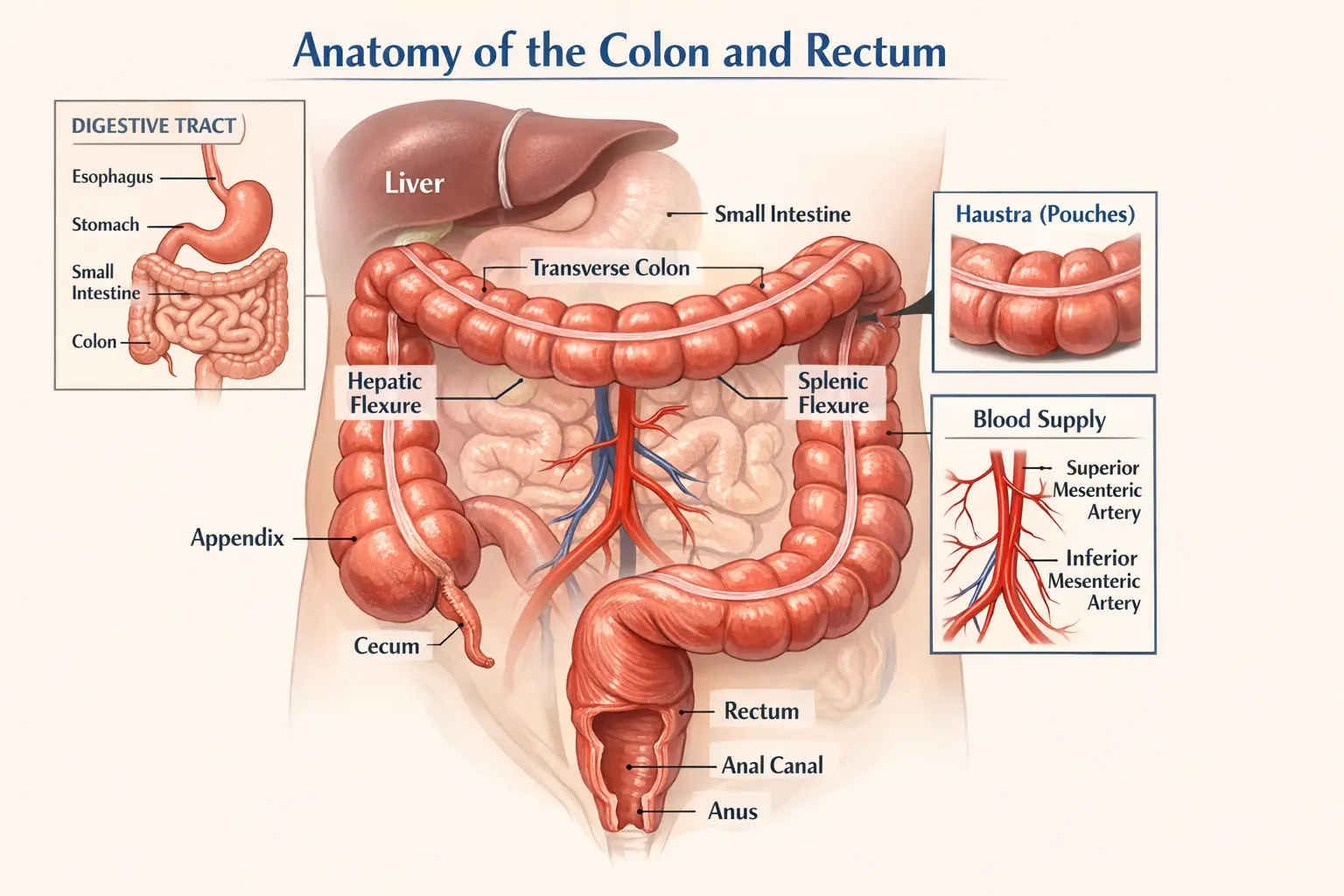
Accounts for approximately 10–20% of colorectal cancers. Compared to non-mucinous tumors, it may:
Surgical resection remains the cornerstone of treatment.
Mucinous tumors of the appendix can rupture and release mucin into the abdominal cavity, leading to Pseudomyxoma Peritonei (PMP)—a condition characterized by progressive accumulation of mucin in the peritoneal cavity.
Without specialized treatment, PMP can cause:
Advanced treatment involves cytoreductive surgery and HIPEC in selected patients.
Ovarian mucinous tumors are often:
Comprehensive surgical staging is critical to determine prognosis and further therapy.
Though less common, mucin-producing pancreatic or gastric cancers can behave aggressively and require multimodality treatment.
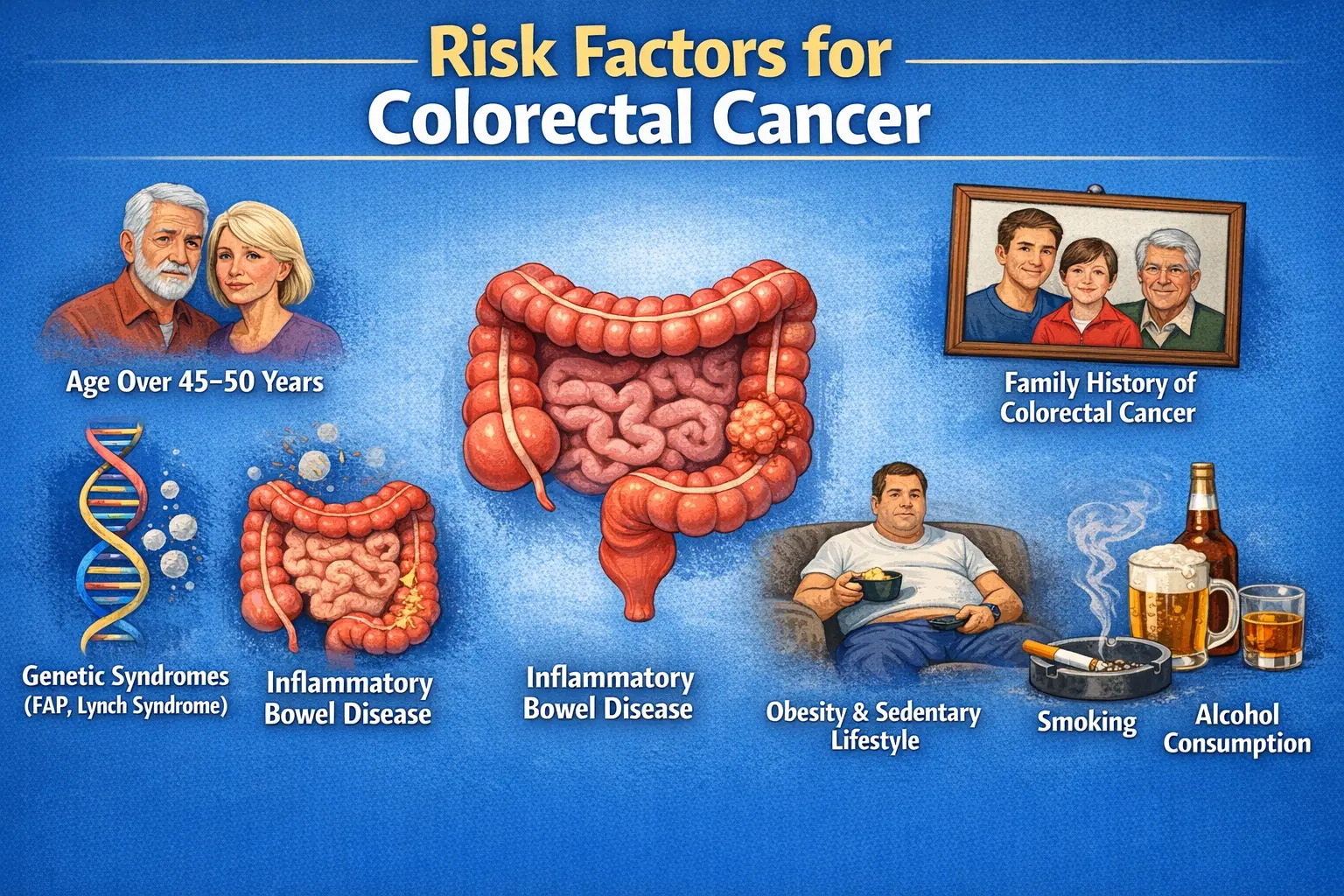
The exact cause of mucinous adenocarcinoma remains multifactorial. Risk factors vary by organ but may include:
Genetic and molecular profiling now plays a growing role in personalized cancer treatment.
Symptoms depend on tumor location.
Early symptoms may be subtle, making timely evaluation crucial.
Accurate diagnosis requires a systematic approach:
Definitive diagnosis is made through biopsy. Pathology confirms:
In peritoneal disease, PCI scoring helps assess disease extent and operability.
Staging follows the TNM system:
In mucinous tumors, peritoneal involvement significantly influences prognosis and treatment planning.
Early-stage disease is often curable with surgery alone, while advanced stages may require multimodal therapy.
Management depends on tumor site, stage, molecular characteristics, and patient fitness.
Complete oncologic resection offers the best chance of cure.
Surgical principles include:
In colorectal cancers, segmental colectomy or rectal resection is performed.
In ovarian tumors, comprehensive staging surgery is essential.
For selected patients with peritoneal dissemination, CRS combined with Hyperthermic Intraperitoneal Chemotherapy (HIPEC) may improve outcomes.
The procedure involves:
Not all patients are candidates. Careful evaluation by an experienced surgical oncologist is essential.
Systemic chemotherapy is used:
Response rates may vary compared to non-mucinous cancers, making individualized treatment planning crucial.
Molecular testing may include:
These results guide the use of targeted agents or immunotherapy in selected patients.
Complex pathologies like mucinous tumors require more than standard intervention—they demand specialized precision and a multidisciplinary infrastructure.
These tumors present unique surgical hurdles that can significantly impact long-term prognosis:
Surgical Oncologist
Areas of Extensive Experience:
All cases are evaluated via a Multidisciplinary Tumor Board to ensure comprehensive care.
When appropriate, robotic and laparoscopic approaches offer:
However, patient selection is crucial. Not all advanced tumors are suitable for minimally invasive surgery.
Prognosis depends on:
Early detection and expert surgical management significantly improve outcomes.
Even in advanced peritoneal disease, selected patients may achieve long-term survival with proper cytoreduction and HIPEC.
After treatment, structured follow-up is necessary:
Long-term surveillance helps detect recurrence early and improves overall outcomes.
You should seek specialist evaluation if:
Early referral to an experienced surgical oncologist can significantly influence treatment strategy and prognosis.