




Comprehensive Oral Cancer Care by Dr. Lovedeep Singh Chauhan
Oropharyngeal cancer is a serious yet treatable form of head and neck cancer when diagnosed early and managed with a structured, multidisciplinary approach. Advances in surgical techniques, radiation therapy, chemotherapy, and immunotherapy have significantly improved survival and quality of life outcomes.
Dr. Lovedeep Singh Chauhan , Consultant Surgical Oncologist in punjab at Max Super Speciality Hospital, Mohali, provides comprehensive and evidence-based treatment for oropharyngeal cancers, focusing on oncological safety, functional preservation, and long-term recovery.
This page offers detailed information about symptoms, causes, diagnosis, staging, and treatment options—along with how expert surgical care can improve outcomes.
What is Oropharyngeal Cancer?
The oropharynx is the middle part of the throat located behind the oral cavity. It includes:
- The base (posterior one-third) of the tongue
- The tonsils
- The soft palate
- The posterior pharyngeal wall
Oropharyngeal cancer most commonly arises from the squamous cells lining this region and is therefore referred to as squamous cell carcinoma. These cancers can affect swallowing, speech, breathing, and overall quality of life if not treated appropriately.
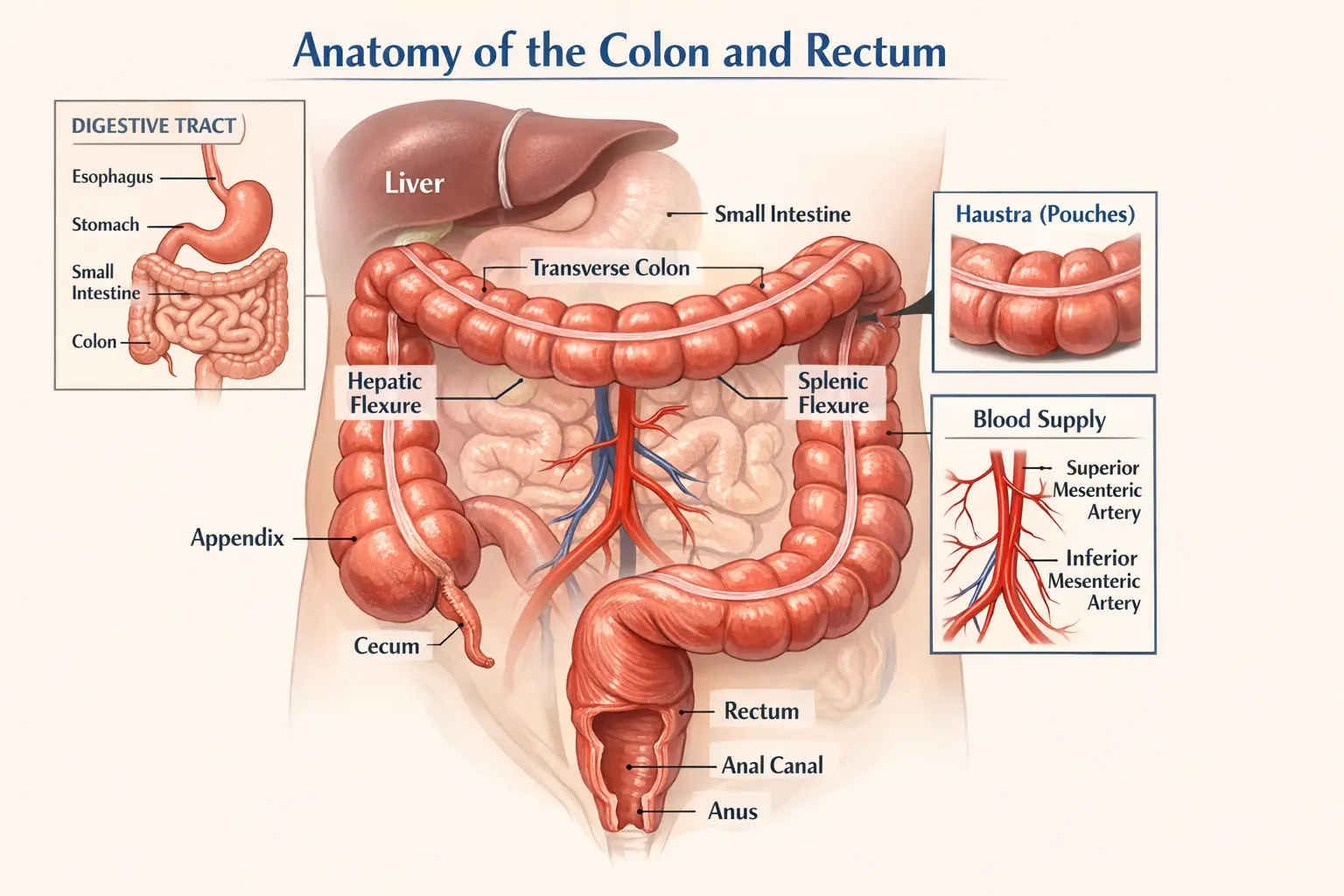
Causes and Risk Factors
Understanding the underlying cause of oropharyngeal cancer is important because it influences prognosis and treatment planning.
Tobacco and Alcohol-Related Cancer
Historically, tobacco and alcohol were the primary risk factors. Long-term smoking, chewing tobacco, and excessive alcohol consumption damage the mucosal lining of the throat, leading to genetic mutations over time.
Individuals who both smoke and drink alcohol have a significantly higher risk due to the synergistic effect of these substances.
HPV-Associated Oropharyngeal Cancer
A major shift in recent decades has been the rise of HPV-related oropharyngeal cancers. Infection with Human papillomavirus (especially HPV-16) is strongly linked to cancers of the tonsil and base of tongue.
HPV-positive cancers often occur in younger individuals who may not have a history of tobacco use. Importantly, these cancers generally have a better response to treatment and improved survival outcomes compared to tobacco-related cancers.
Other contributing factors may include poor oral hygiene, chronic irritation, immunosuppression, and occupational exposures.
Symptoms of Oropharyngeal Cancer
Early detection significantly improves treatment outcomes. However, early symptoms can be subtle and are often mistaken for minor throat infections.
- Persistent sore throat lasting more than 2–3 weeks
- Difficulty or pain while swallowing (dysphagia)
- A painless lump in the neck
- Change in voice
- Ear pain without ear infection
- Non-healing ulcer in the throat
- Bleeding from the mouth
- Unexplained weight loss
Diagnostic Evaluation and Staging
Accurate staging is critical because treatment decisions depend heavily on the extent of disease.
Clinical Evaluation
A detailed head and neck examination is performed, including palpation of lymph nodes. Flexible laryngoscopy allows visualization of the throat and tumor extent.
Biopsy
A tissue biopsy confirms the diagnosis. The specimen is examined to determine:
- Tumor type
- Grade
- HPV status (p16 testing)
Imaging
Advanced imaging helps determine tumor size and spread:
- CT scan of the neck and chest
- MRI for soft tissue evaluation
- PET-CT in selected cases
TNM Staging
Oropharyngeal cancer is staged using the TNM system:
- T: Tumor size and local extent
- N: Lymph node involvement
- M: Distant metastasis
HPV-positive cancers have a modified staging system because they behave differently and have better outcomes.
Treatment of Oropharyngeal Cancer
Management depends on:
Stage of cancer
HPV status
Patient’s overall health
Functional considerations such as speech and swallowing
Surgical Management
Surgery plays a central role in many cases, particularly in early-stage disease and selected advanced cases.
Transoral Surgery
Tumors accessible through the mouth can often be removed without external incisions. This approach reduces recovery time and improves cosmetic outcomes.
Transoral Robotic Surgery (TORS)
TORS allows precise removal of tumors using robotic instruments. Benefits include: Enhanced visualization, Minimal blood loss, Reduced hospital stay, Better functional outcomes.
Neck Dissection
If lymph nodes are involved, removal of affected nodes is necessary to prevent recurrence.
Reconstructive Surgery
In larger tumors, reconstructive techniques such as microvascular free flaps may be used to restore speech and swallowing function.
Radiation Therapy
Radiation may be used: As primary treatment in early-stage disease, Combined with chemotherapy in advanced stages, Postoperatively when high-risk features are present. Modern radiation techniques reduce damage to surrounding tissues.
Chemotherapy and Targeted Therapy
Chemotherapy is often given concurrently with radiation in locally advanced cancers to enhance effectiveness. Targeted therapy and immunotherapy are considered in recurrent or metastatic disease.
Multidisciplinary Cancer Care
Oropharyngeal cancer treatment requires coordination between:
Surgical oncology
Radiation oncology
Medical oncology
Radiology
Pathology
Speech and swallowing rehabilitation specialists
Functional Preservation and Rehabilitation
Curing cancer is only part of the goal. Maintaining quality of life is equally important.
Post-treatment care may include:
- Swallowing therapy
- Speech rehabilitation
- Nutritional counseling
- Dental care
- Psychological support
Early involvement of rehabilitation specialists improves long-term outcomes.
Prognosis and Survival
Survival depends on:
- Stage at diagnosis
- HPV status
- Patient health
- Treatment compliance
HPV-positive cancers generally have better outcomes compared to tobacco-related cancers. Early-stage cancers have high cure rates when treated appropriately.
Oropharyngeal Cancer Treatment by Dr. Lovedeep Singh Chauhan
Dr. Lovedeep Singh Chauhan is a Consultant Surgical Oncologist in punjab with advanced training in head and neck oncology and minimally invasive cancer surgery. His approach emphasizes precision surgery, organ preservation, and multidisciplinary coordination.
- Modern operation theatres
- Advanced imaging facilities
- Critical care support
- Integrated oncology services
Each patient undergoes a detailed assessment followed by stage-based, personalized treatment planning. Transparent communication and ethical care remain central to the treatment philosophy.
Oropharyngeal Cancer Treatment by Dr. Lovedeep Singh Chauhan
Dr. Lovedeep Singh Chauhan is a Consultant Surgical Oncologist with advanced training in head and neck oncology and minimally invasive cancer surgery. His approach emphasizes precision surgery, organ preservation, and multidisciplinary coordination.
At Max Super Speciality Hospital, Mohali, patients benefit from:
- Modern operation theatres
- Advanced imaging facilities
- Critical care support
- Integrated oncology services
Each patient undergoes a detailed assessment followed by stage-based, personalized treatment planning. Transparent communication and ethical care remain central to the treatment philosophy.
Frequently Asked Questions
Why Early Consultation Matters
Delaying evaluation can allow cancer to progress to advanced stages, requiring more aggressive treatment. If you experience persistent throat symptoms or notice a neck swelling, early consultation significantly improves the chances of cure and functional preservation.
Have a Question? Get In Touch


