
!-- HERO SECTION -->

Endocrine Malignancies Treatment

Comprehensive Surgical Care for Hormone-Related Cancers

Dr. Lovedeep Singh Chauhan

Dr. Lovedeep Singh Chauhan – Consultant Surgical Oncologist

Endocrine malignancies are cancers that arise from hormone-producing glands such as the thyroid, adrenal, parathyroid, and pituitary glands. These tumors can affect not only local organs but also disrupt the body's hormonal balance, leading to wide-ranging symptoms. Effective treatment requires accurate diagnosis, specialized surgical expertise, and close coordination with endocrinology and oncology teams.

Dr. Lovedeep Singh Chauhan offers evidence-based surgical management for endocrine cancers, combining oncological precision with a strong focus on safety, long-term hormonal control, and quality of life.

What Are Endocrine Malignancies?

The endocrine system consists of glands that produce hormones regulating growth, metabolism, blood pressure, calcium balance, and many other vital body functions. When cancer develops in these glands, it can lead to both tumor-related symptoms and hormone-related complications.

Endocrine cancers are unique because:
  • Some grow slowly but can still cause serious hormonal disturbances
  • Symptoms may be subtle and nonspecific in early stages
  • Surgery often plays a central role in cure or long-term disease control
  • Lifelong follow-up may be required in selected conditions

Early diagnosis and specialized surgical care significantly improve outcomes.

Dr. Lovedeep Singh Chauhan
Reduced Surgical Trauma

Less tissue damage compared to traditional open surgery

Enhanced Visualization

Better visualization of anatomical planes

Precision Surgery

Accurate lymph node dissection and tumor removal

Faster Recovery

Shorter hospital stay in appropriately selected patients

Types of Endocrine Malignancies Treated

Comprehensive surgical expertise across all endocrine cancers

Thyroid Cancer

One of the most common endocrine malignancies with excellent prognosis when treated appropriately. Common types include papillary, follicular, medullary, and anaplastic thyroid cancers.

Common Symptoms:
  • Painless swelling in the neck
  • Hoarseness or voice change
  • Difficulty swallowing or breathing
  • Enlarged neck lymph nodes

Adrenal Gland Cancers

May be benign or malignant and can produce excess hormones. Adrenocortical carcinoma and malignant pheochromocytoma are rare but aggressive cancers requiring expert management.

Common Symptoms:
  • Uncontrolled hypertension
  • Sudden weight gain or muscle weakness
  • Hormonal imbalance symptoms
  • Incidentally detected adrenal masses

Parathyroid Cancer

A rare endocrine malignancy that primarily affects calcium metabolism. Excess parathyroid hormone (PTH) production can lead to severe hypercalcemia.

Common Features:
  • Bone pain and fractures
  • Kidney stones
  • Fatigue and muscle weakness
  • High calcium and PTH levels

Pituitary Carcinoma

Extremely rare and usually diagnosed when pituitary tumors spread beyond the gland. Requires a multidisciplinary approach involving multiple specialists.

Presentation:
  • Hormonal excess or deficiency
  • Vision problems
  • Requires coordinated care team
  • Individualized treatment planning

Multiple Endocrine Neoplasia (MEN Syndromes)

Inherited conditions that predispose patients to tumors in multiple endocrine glands, such as the thyroid, parathyroid, pancreas, and adrenal glands.

Management Includes:
  • Genetic counseling and family screening
  • Early detection of associated tumors
  • Planned, staged surgical interventions
  • Lifelong surveillance

Diagnostic Approach to Endocrine Cancers

Accurate diagnosis is critical for optimal outcomes in endocrine malignancies. Each patient's treatment plan is tailored based on tumor biology, stage, hormonal activity, and overall health.

Laboratory Testing

  • Detailed hormonal blood tests
  • Tumor markers analysis
  • Metabolic profiling

Imaging Studies

  • High-resolution ultrasound
  • CT and MRI scans
  • PET scans for staging

Tissue Analysis

  • Fine-needle aspiration (FNAC)
  • Biopsy when indicated
  • Molecular testing

Staging Assessment

  • Evaluation of local spread
  • Lymph node assessment
  • Distant metastasis screening

Surgical Management of Endocrine Malignancies

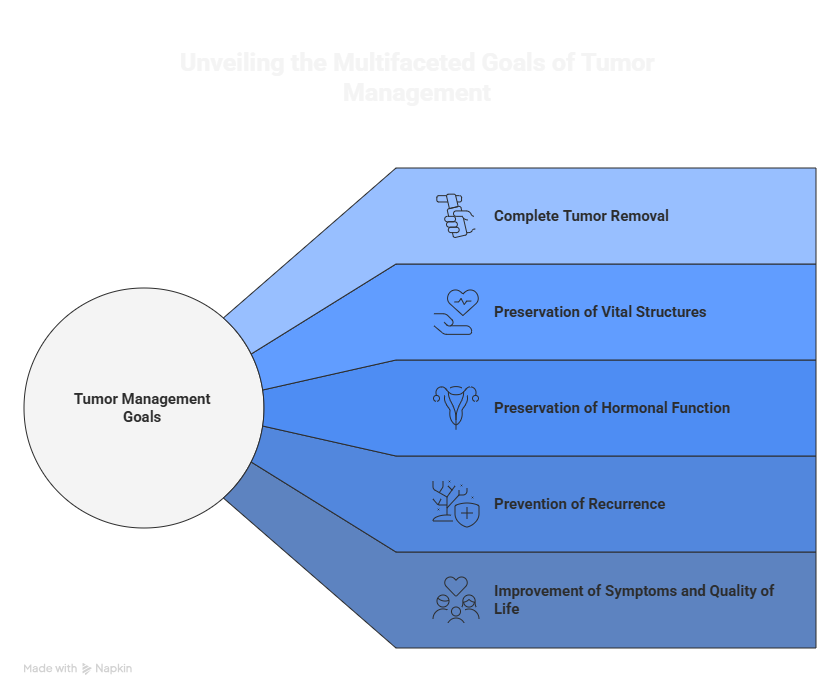
Surgery is the primary and most effective treatment for many endocrine cancers. The goals of surgery include:

Dr. Lovedeep Singh Chauhan

Dr. Chauhan is trained in advanced oncological surgery, including minimally invasive and robotic techniques where appropriate, ensuring safe and effective outcomes.

Surgical Approach

  • Complete removal of the tumor
  • Preservation of vital structures and hormonal function
  • Prevention of recurrence
  • Improvement of symptoms and quality of life

Goals of Surgery

Complete Tumor Removal
Vital Structure Preservation
Recurrence Prevention
Quality of Life Focus

Why Choose Dr. Lovedeep Singh Chauhan?

  • MCh-trained Surgical Oncologist from Tata Memorial Hospital, Mumbai
  • Extensive experience in endocrine, gastrointestinal, breast, and complex oncologic surgeries
  • Expertise in minimally invasive and robotic cancer surgery
  • Evidence-based, ethical, and patient-centric treatment philosophy
  • Consultant at Max Super Speciality Hospital, Punjab
Evidence-Based Treatment

Post-Treatment Care & Follow-Up

Endocrine cancer care does not end with surgery. Long-term follow-up is essential and may include:

Hormonal Management

Monitoring and replacement therapy as needed

Surveillance

Regular imaging and blood tests for early detection

Multidisciplinary Coordination

Close collaboration with endocrinology specialists

Genetic Counseling

For hereditary conditions and family screening

When Should You Consult an Endocrine Cancer Specialist?

You should seek expert evaluation if you have:

Persistent neck swelling or thyroid nodules
Hormonal symptoms without a clear cause
Adrenal or parathyroid tumors on imaging
Family history of endocrine tumors or MEN syndromes

Have a Question? Get In Touch

whatsapp-mobi
h-call
  • Book An Appointment