




Advanced Surgical Oncology & HIPEC Care by Dr. Lovedeep Singh Chauhan
Ovarian cancer is one of the most challenging gynecological cancers because it often presents with vague symptoms and is frequently diagnosed at an advanced stage. However, with modern advances in surgical oncology, chemotherapy, targeted therapy, and cytoreductive surgery with HIPEC (Hyperthermic Intraperitoneal Chemotherapy), treatment outcomes have significantly improved when managed by an experienced cancer specialist.
Dr. Lovedeep Singh Chauhan , Consultant Surgical Oncologist at Max Super Speciality Hospital, provides comprehensive, evidence-based ovarian cancer treatment with a strong focus on complete tumor removal, multidisciplinary planning, and personalized patient care.
Understanding Ovarian Cancer
The ovaries are two small, almond-shaped organs located on either side of the uterus. They are responsible for producing eggs (ova) and secreting hormones such as estrogen and progesterone. Ovarian cancer develops when cells in the ovary, fallopian tube, or peritoneal lining begin to grow uncontrollably due to genetic mutations.
In recent years, research suggests that many high-grade serous ovarian cancers may actually originate in the fallopian tubes before spreading to the ovaries and peritoneal surfaces.
Types of Ovarian Cancer
Ovarian cancer is not a single disease but a group of tumors with different biological behaviors.
Epithelial Ovarian Cancer
The most common type (85–90% of cases), arising from the surface lining of the ovary.
- High-grade serous carcinoma
- Low-grade serous carcinoma
- Endometrioid carcinoma
- Clear cell carcinoma
- Mucinous carcinoma
Germ Cell Tumors
These arise from egg-producing cells and are more commonly seen in younger women, often with favorable outcomes when treated early.
Stromal Tumors
Develop from hormone-producing connective tissue cells and may cause hormonal symptoms due to estrogen or progesterone production.
Peritoneal & Fallopian Tube Carcinomas
These cancers are clinically managed similarly to ovarian cancer and often involve the abdominal lining.
Each type requires individualized treatment planning based on stage, tumor biology, and patient-specific factors.
Risk Factors for Ovarian Cancer
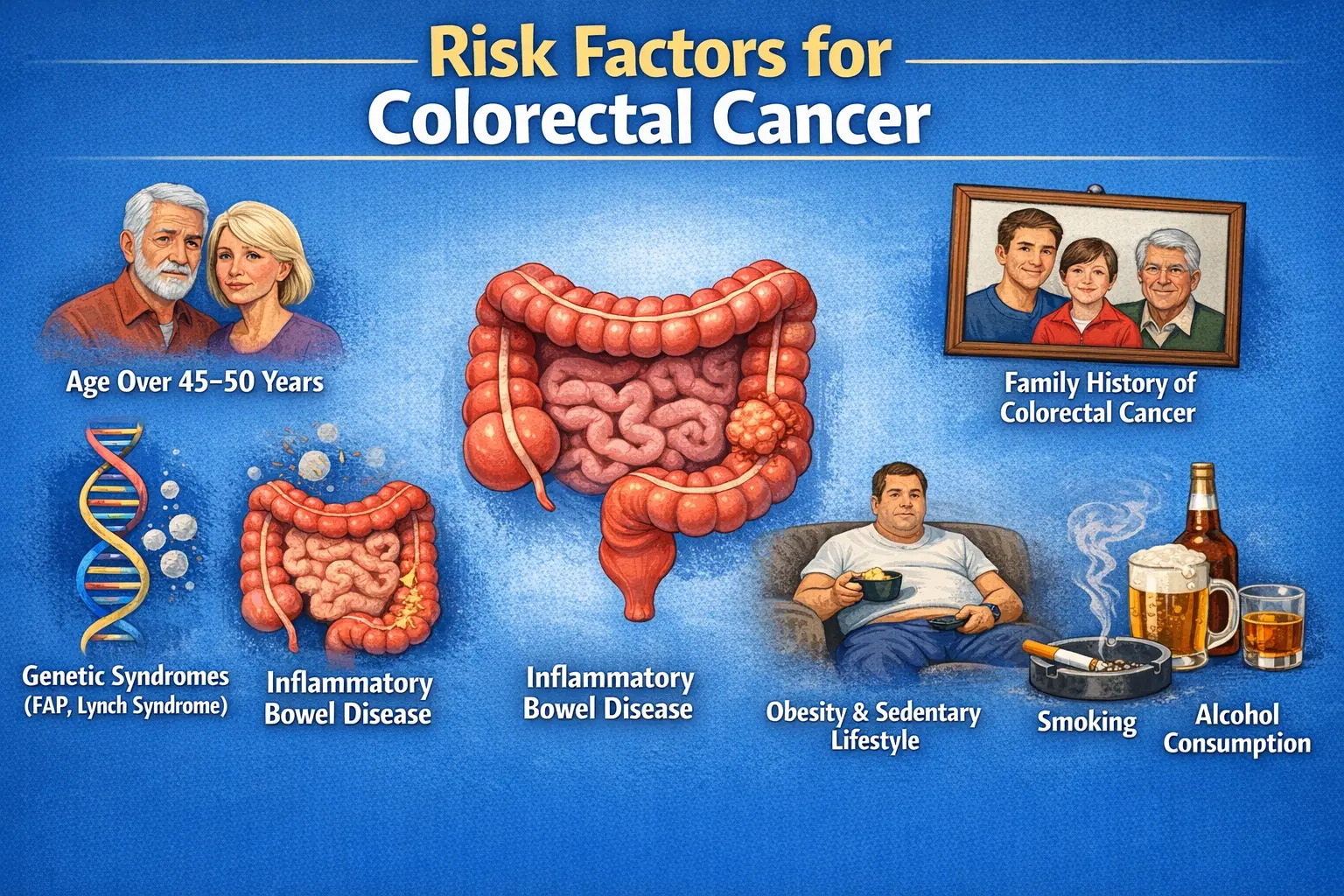
Although the exact cause of ovarian cancer is unknown, several factors are associated with an increased risk:
- Increasing age (most common after menopause)
- Family history of ovarian or breast cancer
- BRCA1 and BRCA2 gene mutations
- Lynch syndrome
- Never having been pregnant
- Endometriosis
- Hormonal factors
Conversely, factors that may reduce risk include oral contraceptive use, breastfeeding, and previous tubal ligation.
Genetic counseling and testing are particularly important for women with a strong family history, as it may influence both treatment and preventive strategies.
Symptoms of Ovarian Cancer
One of the major challenges in ovarian cancer is the absence of early, specific symptoms. Many patients experience vague abdominal or digestive complaints for months before diagnosis.
Persistent abdominal bloating
Pelvic or lower abdominal pain
Feeling full quickly while eating
Loss of appetite
Increased urinary frequency
Unexplained weight loss
Irregular menstrual cycles
Abdominal swelling due to fluid (ascites)
If these symptoms persist for more than two to three weeks, medical evaluation is essential. Early diagnosis significantly improves treatment outcomes.
Diagnosis and Staging of Ovarian Cancer
Accurate diagnosis and staging form the foundation of effective ovarian cancer treatment.
Diagnostic Evaluation
Evaluation typically includes:
- Detailed clinical history and pelvic examination
- Transvaginal ultrasound (TVS)
- CT scan of abdomen and pelvis
- MRI in selected cases
- Tumor markers such as CA-125 and HE4
- Image-guided biopsy (if required)
In many cases, definitive diagnosis and staging occur during surgery.
Staging (FIGO System)
Ovarian cancer staging is based on the FIGO system:
- Stage I: Cancer confined to ovaries
- Stage II: Spread within pelvis
- Stage III: Spread to abdominal lining or lymph nodes
- Stage IV: Distant organ involvement
Stage determines prognosis and guides treatment strategy.
Treatment of Ovarian Cancer
Management of ovarian cancer is multimodal and individualized. It typically involves a combination of surgery, chemotherapy, and targeted therapies based on patient and tumor characteristics.
1. Surgery – The Cornerstone of Treatment
Surgery plays a critical role in both early and advanced ovarian cancer. The goal is complete removal of visible disease (optimal cytoreduction).
- Total abdominal hysterectomy
- Bilateral salpingo-oophorectomy
- Omentectomy
- Pelvic and para-aortic lymph node dissection
- Removal of peritoneal deposits
- Resection of involved bowel or diaphragm (if required)
Achieving “no visible residual disease” significantly improves survival and requires advanced surgical expertise.
2. Chemotherapy
Chemotherapy is used after surgery (adjuvant) or before surgery (neoadjuvant) in advanced cases.
Standard regimens include platinum-based combinations such as carboplatin and paclitaxel, which help eliminate microscopic disease and reduce recurrence risk.
3. Cytoreductive Surgery with HIPEC
In selected advanced cases, cytoreductive surgery combined with HIPEC may improve outcomes.
HIPEC involves circulating heated chemotherapy within the abdominal cavity immediately after tumor removal, enhancing drug penetration and destroying microscopic cancer cells.
This complex procedure should be performed by experienced surgical oncologists in specialized centers.
4. Targeted Therapy & Precision Medicine
- PARP inhibitors for BRCA-mutated cancers
- Anti-angiogenic therapy (e.g., bevacizumab)
- Maintenance therapy for recurrent disease
Genetic profiling helps personalize treatment and improve long-term outcomes.
Treatment of Ovarian Cancer
Management of ovarian cancer is multimodal and individualized. It typically involves a combination of surgery, chemotherapy, and targeted therapies based on patient and tumor characteristics.
1. Surgery – The Cornerstone of Treatment
Surgery plays a critical role in both early and advanced ovarian cancer. The goal is complete removal of visible disease (optimal cytoreduction).
- Total abdominal hysterectomy
- Bilateral salpingo-oophorectomy
- Omentectomy
- Pelvic and para-aortic lymph node dissection
- Removal of peritoneal deposits
- Resection of involved bowel or diaphragm (if required)
Achieving “no visible residual disease” significantly improves survival and requires advanced surgical expertise.
2. Chemotherapy
Chemotherapy is used after surgery (adjuvant) or before surgery (neoadjuvant) in advanced cases.
Standard regimens include platinum-based combinations such as carboplatin and paclitaxel, which help eliminate microscopic disease and reduce recurrence risk.
3. Cytoreductive Surgery with HIPEC
In selected advanced cases, cytoreductive surgery combined with HIPEC may improve outcomes.
HIPEC involves circulating heated chemotherapy within the abdominal cavity immediately after tumor removal, enhancing drug penetration and destroying microscopic cancer cells.
This complex procedure should be performed by experienced surgical oncologists in specialized centers.
4. Targeted Therapy & Precision Medicine
- PARP inhibitors for BRCA-mutated cancers
- Anti-angiogenic therapy (e.g., bevacizumab)
- Maintenance therapy for recurrent disease
Genetic profiling helps personalize treatment and improve long-term outcomes.
Recurrent Ovarian Cancer
Despite optimal treatment, ovarian cancer may recur. Management is individualized based on several clinical factors.
Factors Influencing Management
- Time since last chemotherapy
- Site of recurrence
- Patient’s performance status
- Tumor biology
Treatment Options
- Secondary cytoreductive surgery
- Chemotherapy
- Targeted therapy
- Clinical trial enrollment
Careful selection of patients for repeat surgery can provide survival benefit in appropriate cases.
Multidisciplinary Cancer Care
Ovarian cancer management requires coordinated care from multiple medical specialties to ensure the best possible outcomes.
- Surgical oncology
- Medical oncology
- Radiation oncology (rarely used but occasionally indicated)
- Radiology
- Pathology
- Critical care specialists
A multidisciplinary tumor board ensures that each case receives individualized, evidence-based treatment planning.
Ovarian Cancer Surgery by Dr. Lovedeep Singh Chauhan
- Accurate staging
- Evidence-based decision making
- Complete tumor removal whenever feasible
- Safe and meticulous surgical technique
- Patient-centered counseling
At Max Super Speciality Hospital, he works within a fully equipped tertiary care setup with advanced operation theaters, ICU support, chemotherapy services, and comprehensive oncology infrastructure.
Patients benefit from:
- Personalized treatment planning
- Transparent discussion of risks and outcomes
- Access to advanced surgical techniques
- Coordinated postoperative and long-term follow-up care
Why Early Specialist Consultation Matters
Many ovarian cancer patients initially undergo incomplete surgery at non-specialized centers, which may compromise outcomes. Studies show that primary surgery performed by trained gynecologic or surgical oncologists significantly improves survival.
Seeking early consultation with a dedicated cancer surgeon ensures:
- Proper staging
- Optimal cytoreduction
- Avoidance of unnecessary procedures
- Access to advanced options like HIPEC
Second opinions are especially important before major surgery in advanced cases.
Follow-Up and Survivorship Care
After completion of treatment, long-term monitoring is essential to ensure ongoing health and early detection of recurrence.
Follow-Up Monitoring
- Clinical examination
- CA-125 monitoring
- Periodic imaging (when indicated)
Survivorship Care
- Nutritional support
- Management of chemotherapy side effects
- Hormonal considerations
- Psychological well-being
Comprehensive care extends beyond surgery and chemotherapy to support holistic recovery.
Frequently Asked Questions
Have a Question? Get In Touch


