

!-- HERO SECTION -->

Neuroendocrine Tumor (NET) Treatment

Dr. Lovedeep Singh Chauhan

Advanced Surgical & Multidisciplinary Care by Dr. Lovedeep Singh Chauhan

Neuroendocrine Tumors (NETs) are a rare and complex group of cancers that arise from neuroendocrine cells—specialized cells that possess characteristics of both nerve cells and hormone-producing endocrine cells. These tumors can develop in multiple organs, including the gastrointestinal tract, pancreas, lungs, and other sites.

Because NETs often grow slowly and may produce hormones, their diagnosis and management require specialized expertise, advanced imaging, careful pathological evaluation, and individualized treatment planning.

Dr. Lovedeep Singh Chauhan , Consultant Surgical Oncologist at Max Super Speciality Hospital, provides comprehensive, evidence-based care for patients diagnosed with Neuroendocrine Tumors. His approach integrates accurate diagnosis, advanced minimally invasive surgery, multidisciplinary coordination, and long-term follow-up.

Understanding Neuroendocrine Tumors

Neuroendocrine cells are found throughout the body and are responsible for producing hormones that regulate vital functions such as digestion, metabolism, and breathing. When these cells grow abnormally, they form neuroendocrine tumors.

NETs may be:

  • Functional tumors – Produce excess hormones, leading to specific symptom patterns
  • Non-functional tumors – Do not produce hormones and may remain silent for long periods
  • Low-grade (slow growing)
  • Intermediate-grade
  • High-grade (aggressive neuroendocrine carcinoma)

The biological behavior of NETs varies significantly, making individualized evaluation essential.

Dr. Lovedeep Singh Chauhan

Common Types of Neuroendocrine Tumors

Neuroendocrine tumors (NETs) are classified based on their primary site and biological behavior. Different types require specialized management approaches.

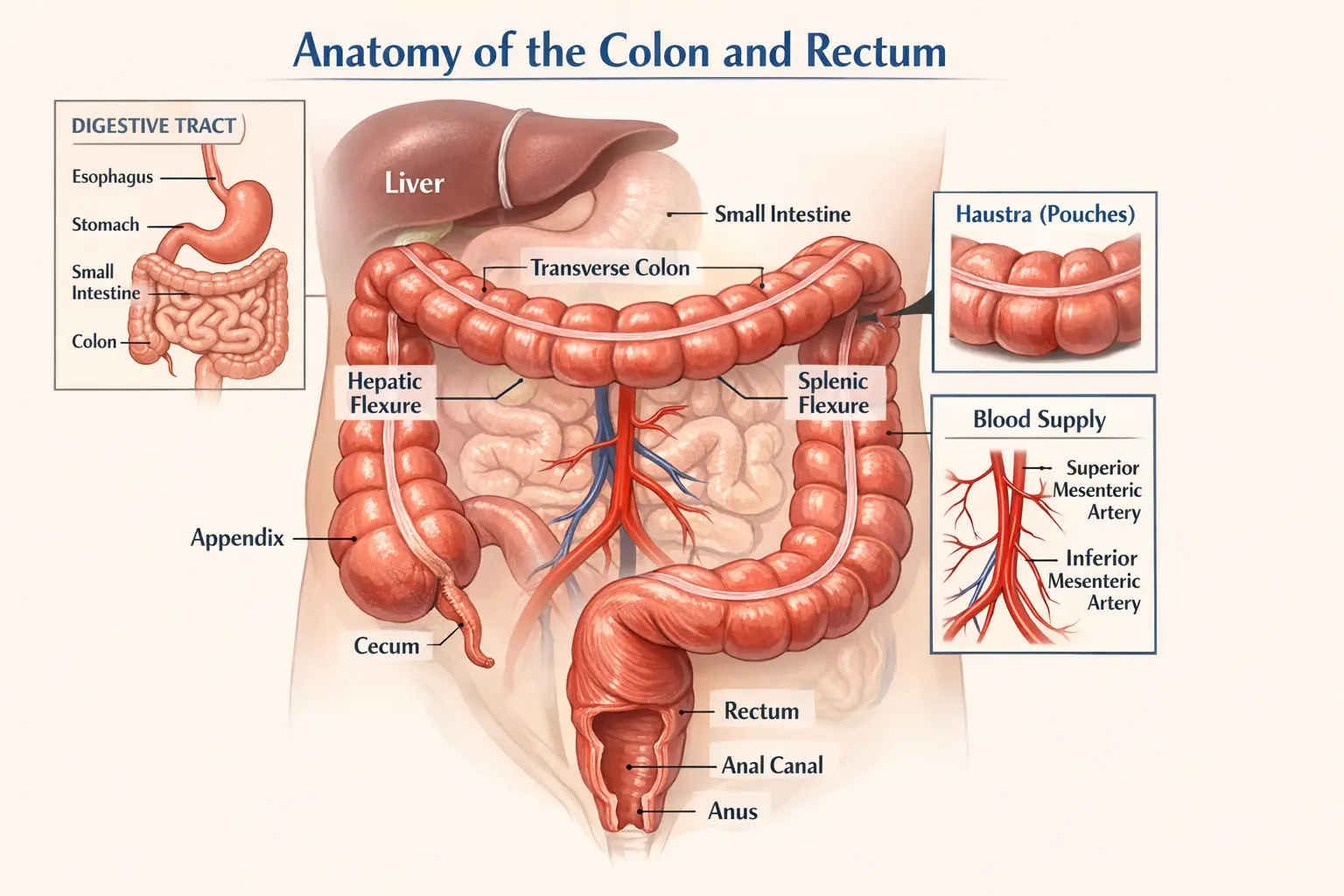
1. Gastrointestinal Neuroendocrine Tumors (Carcinoid Tumors)

These are the most common NETs and can arise in:

  • Small intestine
  • Appendix
  • Rectum
  • Stomach
  • Colon

Small bowel NETs are particularly known for causing carcinoid syndrome in advanced cases.

2. Pancreatic Neuroendocrine Tumors (PNETs)

Pancreatic NETs originate from hormone-producing cells within the pancreas and may include:

  • Insulinoma – Causes low blood sugar
  • Gastrinoma – Causes severe peptic ulcers
  • Glucagonoma
  • VIPoma
  • Non-functional pancreatic NETs

These tumors require highly specialized surgical planning due to proximity to major blood vessels.

3. Lung Neuroendocrine Tumors

Lung NETs include:

  • Typical carcinoid
  • Atypical carcinoid
  • Large cell neuroendocrine carcinoma
  • Small cell lung cancer

Thoracic surgical expertise is often required in these cases.

Symptoms of Neuroendocrine Tumors

Symptoms of Neuroendocrine Tumors (NETs) vary depending on tumor location and hormonal activity. Some tumors may remain silent for years, while others produce hormone-related syndromes.

1. General Symptoms

  • Persistent abdominal discomfort
  • Unexplained weight loss
  • Fatigue
  • Loss of appetite
  • Intestinal obstruction

2. Hormone-Related Symptoms (Carcinoid Syndrome)

  • Facial flushing
  • Chronic diarrhea
  • Wheezing
  • Rapid heartbeat
  • Heart valve problems (in advanced disease)

Many NETs are incidentally detected during imaging for unrelated conditions.

Causes and Risk Factors

Most neuroendocrine tumors occur sporadically without a clear cause. However, certain inherited syndromes increase risk:

Multiple Endocrine Neoplasia Type 1 (MEN1)

Von Hippel–Lindau syndrome

Neurofibromatosis Type 1

Family history and genetic counseling may be recommended in select cases.

How Neuroendocrine Tumors Are Diagnosed

Accurate diagnosis requires a multi-step approach.

1. Blood and Urine Tests

  • Chromogranin A
  • 24-hour urinary 5-HIAA
  • Hormone-specific markers

2. Advanced Imaging

  • Contrast-enhanced CT scan
  • MRI
  • PET-CT (Gallium-68 DOTATATE scan)

3. Endoscopic Evaluation

  • Upper GI endoscopy
  • Colonoscopy
  • Endoscopic ultrasound (EUS)

4. Biopsy and Histopathology

Definitive diagnosis requires tissue biopsy. Pathologists evaluate:

  • Tumor grade (G1, G2, G3)
  • Ki-67 proliferation index
  • Mitotic count
  • Differentiation

Grading plays a crucial role in determining prognosis and treatment.

Staging of Neuroendocrine Tumors

Staging of Neuroendocrine Tumors is an important step in determining the extent of the disease and planning the most appropriate treatment strategy.

Staging is based on:

  • Tumor size
  • Lymph node involvement
  • Presence of distant metastasis (especially liver)

The stage determines whether surgery alone is sufficient or systemic therapy is required.

Neuroendocrine Tumor Staging

Treatment of Neuroendocrine Tumors

Management of NETs is individualized. Treatment depends on:

Tumor location
Functional status
Grade
Stage
Patient fitness
A multidisciplinary tumor board approach ensures optimal decision-making.

Surgical Treatment – The Cornerstone of Cure

For localized and resectable NETs, surgery offers the best chance for cure. Dr. Lovedeep Singh Chauhan has specialized training in complex gastrointestinal and hepatopancreatobiliary (HPB) oncology surgeries.

Surgical Procedures

  • Small bowel resection with lymphadenectomy
  • Right hemicolectomy
  • Distal pancreatectomy
  • Whipple procedure (pancreaticoduodenectomy)
  • Liver metastasectomy
  • Cytoreductive surgery with HIPEC

Minimally Invasive & Robotic Surgery

Whenever feasible, advanced techniques are utilized to ensure precision and safety:

Laparoscopic removal
Robotic-assisted surgery
Precision dissection
Organ-preserving
Patient Benefits
Smaller incisions
Reduced blood loss
Faster recovery
Shorter hospital stay
Early return to normal activity

Management of Advanced or Metastatic NETs

Even when complete cure is not possible, effective long-term disease control is achievable.

Treatment options include:

  • Somatostatin analogues (Octreotide, Lanreotide)
  • Targeted therapy (Everolimus, Sunitinib)
  • Peptide Receptor Radionuclide Therapy (PRRT)
  • Chemotherapy (for high-grade tumors)
  • Liver-directed therapies (RFA, TACE)

Treatment is carefully coordinated with medical oncology specialists.

Liver Metastases in Neuroendocrine Tumors

The liver is the most common site of spread.

Management strategies may include:

  • Surgical resection
  • Radiofrequency ablation
  • Transarterial chemoembolization
  • PRRT

Aggressive but carefully selected intervention can significantly improve survival and quality of life.

Long-Term Follow-Up and Surveillance

Neuroendocrine tumors require prolonged follow-up because they may recur even years after treatment.

Follow-up typically includes:

  • Periodic imaging
  • Hormonal marker monitoring
  • Clinical examination
  • Cardiac evaluation (in carcinoid syndrome)

A structured follow-up protocol ensures early detection of recurrence.

Neuroendocrine Tumor Staging

Why Choose Dr. Lovedeep Singh Chauhan for NET Treatment?

Patients benefit from:

1. Super-Specialty Training

MCh Surgical Oncology from Tata Memorial Hospital with extensive experience in gastrointestinal and pancreatic cancer surgery.

2. Expertise in Advanced Procedures
  • Minimally invasive cancer surgery
  • Robotic tumor resections
  • Complex cytoreductive procedures
3. Multidisciplinary Cancer Care

Close coordination with radiologists, pathologists, medical oncologists, and critical care teams.

4. Evidence-Based Decision Making

Each case is evaluated individually to determine:

  • Whether surgery is appropriate
  • Timing of systemic therapy
  • Need for combination treatment
5. Treatment at a Tertiary Care Centre

All consultations and procedures are performed at:

Max Super Speciality Hospital

The hospital provides:

  • Advanced imaging facilities
  • Robotic surgical platform
  • Dedicated oncology ICU
  • Comprehensive cancer care services

What to Expect During Your Consultation

Your consultation will include:

  • Detailed medical history review
  • Assessment of prior imaging and reports
  • Explanation of tumor grade and stage
  • Discussion of treatment options
  • Clear risk-benefit analysis
  • Personalized treatment plan

Transparent communication and patient education are central to care.

Prognosis of Neuroendocrine Tumors

Prognosis depends on:

  • Tumor grade
  • Stage at diagnosis
  • Completeness of surgical removal
  • Presence of metastasis
  • Response to systemic therapy

Low-grade localized NETs often have excellent long-term outcomes when treated appropriately.

High-grade neuroendocrine carcinomas require aggressive multimodal therapy.

Frequently Asked Questions

Yes, they are less common than many other cancers but increasingly diagnosed due to improved imaging.

Localized tumors can often be cured with surgery. Advanced cases can frequently be controlled for many years.

Yes, when performed by a trained surgical oncologist, robotic surgery offers enhanced precision and improved recovery.

No. Many low-grade tumors are treated primarily with surgery and hormone-based therapies.

Have a Question? Get In Touch

whatsapp-mobi
h-call
Call Dr. Lovedeep Singh Chauhan
  • Book An Appointment