




Advanced Diagnosis, Chemotherapy & Surgical Management
Gestational Trophoblastic Neoplasia (GTN) is one of the rarest yet most curable forms of gynecologic malignancy. Although the word “neoplasia” or “cancer” can be frightening, GTN stands apart from most cancers because it responds exceptionally well to treatment — even in advanced stages. With modern chemotherapy protocols, accurate staging systems, and multidisciplinary oncology care, cure rates exceed 95% in low-risk cases and remain very high even in high-risk disease.
Dr. Lovedeep Singh Chauhan, Consultant Consultant Surgical Oncologist at Max Super Speciality Hospital, Mohali, provides comprehensive, evidence-based management for patients diagnosed with GTN. His approach integrates early detection, precise risk stratification, individualized chemotherapy planning, fertility-preserving strategies, and surgical expertise when required.
Understanding Gestational Trophoblastic Neoplasia
Gestational Trophoblastic Neoplasia belongs to a group of disorders known as Gestational Trophoblastic Disease (GTD). These conditions arise from abnormal proliferation of trophoblastic tissue — the cells that normally form the placenta during pregnancy. While some forms of GTD are benign, GTN refers specifically to the malignant or invasive types that require active treatment.
- A molar pregnancy (most common cause)
- Miscarriage
- Ectopic pregnancy
- Full-term pregnancy
Unlike most gynecologic cancers, GTN originates from pregnancy-related tissue rather than the uterus or ovaries themselves. This unique biology explains its high sensitivity to chemotherapy and favorable prognosis.
Types of Gestational Trophoblastic Neoplasia
Gestational Trophoblastic Neoplasia includes several subtypes, each with distinct biological behavior, spread patterns, and treatment approaches.
Invasive Mole
Develops when molar pregnancy tissue grows into the muscular wall of the uterus. It is often diagnosed when β-hCG levels remain elevated after molar evacuation.
Despite being invasive, it is highly responsive to chemotherapy.
Choriocarcinoma
A more aggressive form that can spread rapidly through the bloodstream.
- Lungs
- Brain
- Liver
Even metastatic cases are often curable due to high chemotherapy sensitivity.
Placental Site Trophoblastic Tumor (PSTT)
A rare subtype arising from intermediate trophoblastic cells with lower β-hCG production.
It may not respond well to chemotherapy, and surgery is often required.
Epithelioid Trophoblastic Tumor (ETT)
An extremely rare and biologically distinct subtype requiring specialized oncologic evaluation.
Treatment may include surgery combined with chemotherapy depending on stage and spread.
Causes and Risk Factors
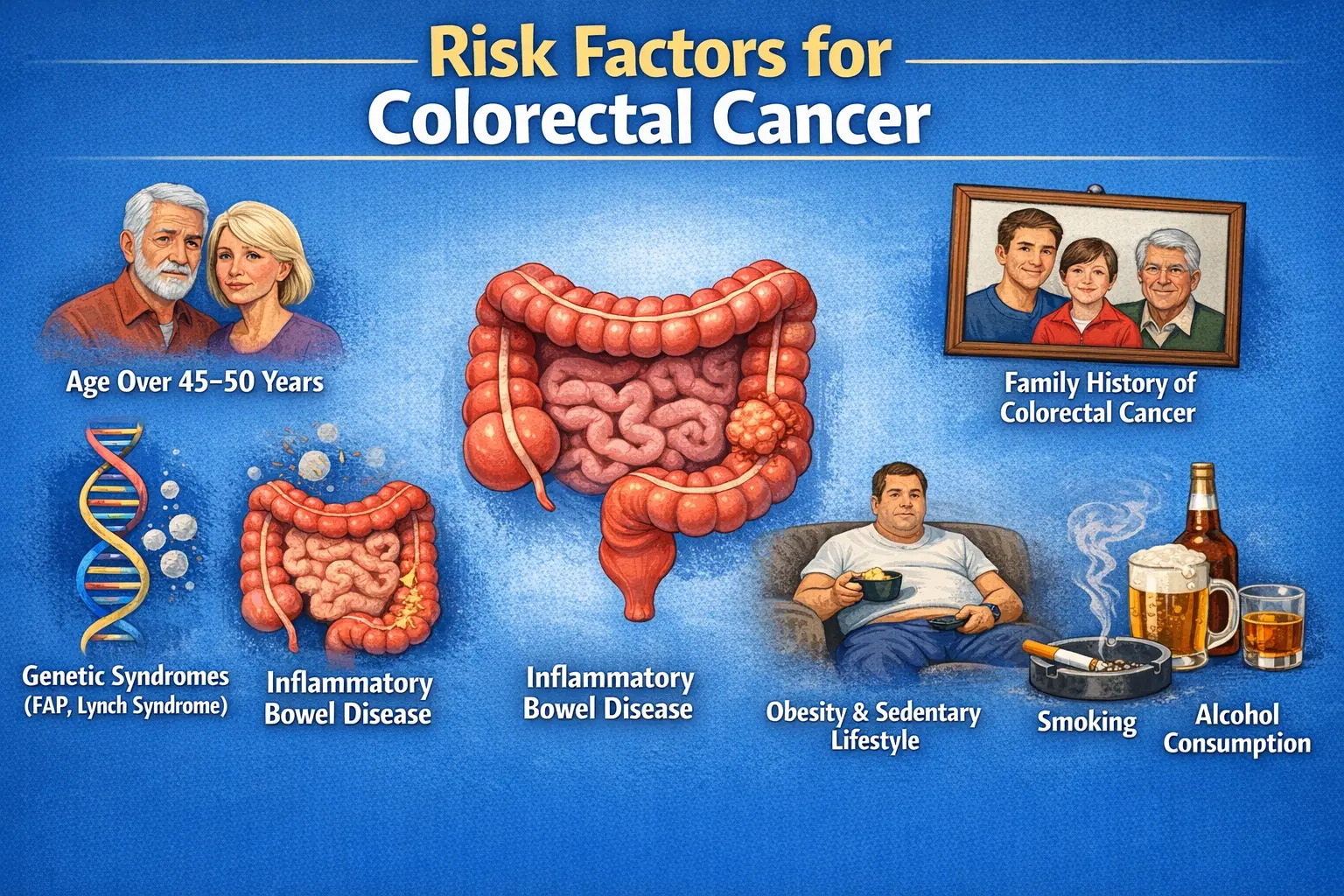
Although GTN can occur after any pregnancy event, certain risk factors increase the likelihood:
- History of molar pregnancy
- Maternal age below 20 or above 40
- Previous history of GTN
- Very high initial β-hCG levels
- Large uterine size relative to gestational age
Importantly, GTN is not caused by lifestyle factors, diet, or infection. It arises due to abnormal genetic events during fertilization.
Symptoms of Gestational Trophoblastic Neoplasia
Early recognition plays a crucial role in achieving excellent outcomes. Symptoms may include:
Excessively high β-hCG levels
Pelvic pain or pressure
Enlarged uterus
Severe nausea or vomiting due to high hormone levels
Breathlessness if lung metastasis occurs
Headache or neurological symptoms in rare brain involvement
Any persistent bleeding or rising β-hCG after pregnancy should be evaluated promptly by an oncologic specialist.
Diagnostic Evaluation and Staging
Accurate diagnosis requires systematic evaluation.
Diagnostic Workup
- Pelvic ultrasound
- Serial quantitative β-hCG measurements
- CT scan of the chest
- MRI pelvis if uterine invasion is suspected
- Brain imaging in high-risk cases
Staging System
GTN is staged according to the FIGO (International Federation of Gynecology and Obstetrics) staging system and assigned a risk score.
FIGO Risk Categories
- Low-Risk GTN: Score ≤ 6
- High-Risk GTN: Score ≥ 7
This scoring determines the intensity of chemotherapy and treatment strategy.
Treatment of Gestational Trophoblastic Neoplasia
GTN treatment is one of the success stories in oncology. Even advanced disease can often be cured.
Chemotherapy – Primary Treatment
Chemotherapy forms the backbone of treatment and is highly effective across all stages of GTN.
Low-Risk GTN
Patients are treated with single-agent chemotherapy:
- Methotrexate
- Actinomycin-D
Cure rates exceed 95%.
High-Risk GTN
Requires multi-agent chemotherapy:
- EMA-CO regimen
- (Etoposide, Methotrexate, Actinomycin-D, Cyclophosphamide, Vincristine)
Cure rates range between 80–90% with proper management.
Role of Surgery in GTN
Although chemotherapy is primary, surgery plays an important role in selected situations.
Indications include:
- Chemotherapy-resistant disease
- Severe uterine bleeding
- Localized PSTT or ETT
- Hysterectomy in women who have completed childbearing
With advanced training in minimally invasive oncologic surgery, Dr. Chauhan performs complex procedures safely, ensuring optimal outcomes while minimizing recovery time.
Management of Metastatic Disease
Metastatic GTN requires coordinated multidisciplinary care.
- Lung metastases often resolve completely with chemotherapy
- Brain metastases may require chemotherapy combined with radiotherapy
- Liver metastases need aggressive systemic therapy
The key principle is early risk stratification and timely initiation of appropriate therapy.
Fertility Preservation and Future Pregnancy
One of the most reassuring aspects of GTN treatment is preservation of fertility. Most women retain normal reproductive function after successful treatment.
Studies show:
- Future pregnancies are usually safe
- Risk of recurrence is low
- Healthy full-term pregnancies are common
However, strict β-hCG monitoring is essential before planning conception. Contraception is advised during treatment and follow-up to avoid confusion in hormone monitoring.
Dr. Chauhan provides detailed counseling regarding reproductive planning, ensuring emotional reassurance alongside medical safety.
Follow-Up After Treatment
Follow-up is critical to detect recurrence early.
Protocol typically includes:
- Weekly β-hCG until normalization
- Monthly monitoring for 6–12 months
- Periodic clinical evaluation
Recurrence rates are low when treatment is completed properly and follow-up protocols are adhered to.
Emotional and Psychological Support
A diagnosis of GTN often follows a pregnancy event, which can be emotionally distressing.
Comprehensive care includes:
- Clear explanation of prognosis
- Reassurance regarding high cure rates
- Fertility counseling
- Family involvement in decision-making
Compassionate communication is central to the treatment philosophy.
Why Choose Dr. Lovedeep Singh Chauhan for GTN Treatment?
Dr. Lovedeep Singh Chauhan is a Consultant Surgical Oncologist at Max Super Speciality Hospital, Mohali, with advanced training in complex oncologic management.
Evidence-based treatment planning
Risk-adapted chemotherapy protocols
Expertise in minimally invasive oncologic surgery
Multidisciplinary tumor board coordination
Structured long-term follow-up
Every treatment plan is individualized, balancing oncologic safety with fertility preservation whenever possible.
About Max Super Speciality Hospital, Mohali
Max Super Speciality Hospital, Mohali offers:
- Advanced oncology infrastructure
- Modern chemotherapy units
- High-resolution imaging facilities
- Multidisciplinary cancer care team
- Intensive care support
This ensures that patients receive comprehensive and seamless cancer treatment under one roof.
When Should You Seek Consultation?
You should consult an oncologic specialist if you experience:
- Persistent bleeding after pregnancy
- Rising or plateauing β-hCG levels
- Diagnosis of molar pregnancy requiring follow-up
- Suspicion of metastatic gestational trophoblastic disease
Early intervention dramatically improves outcomes and reduces treatment complexity.
Frequently Asked Questions
Have a Question? Get In Touch


